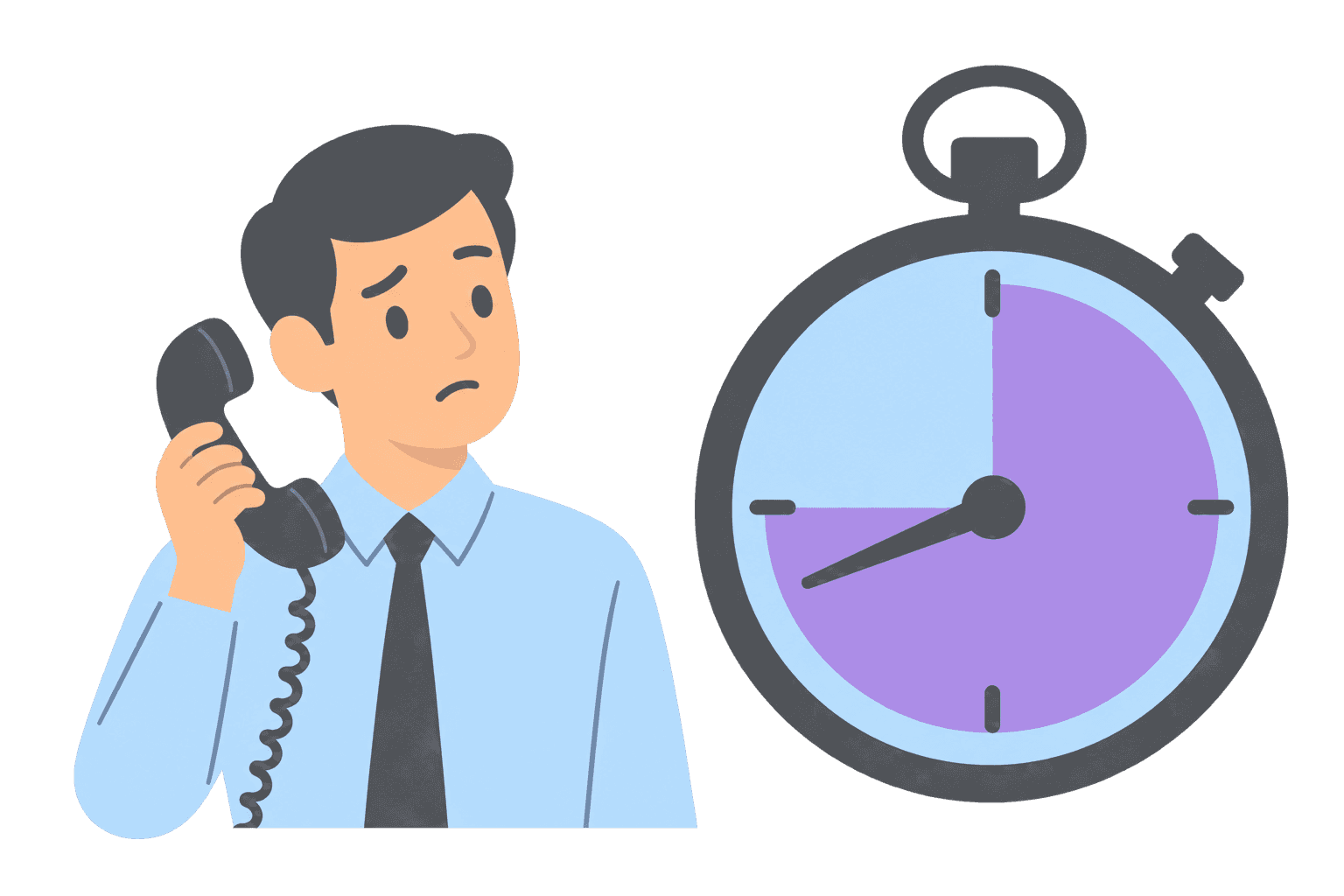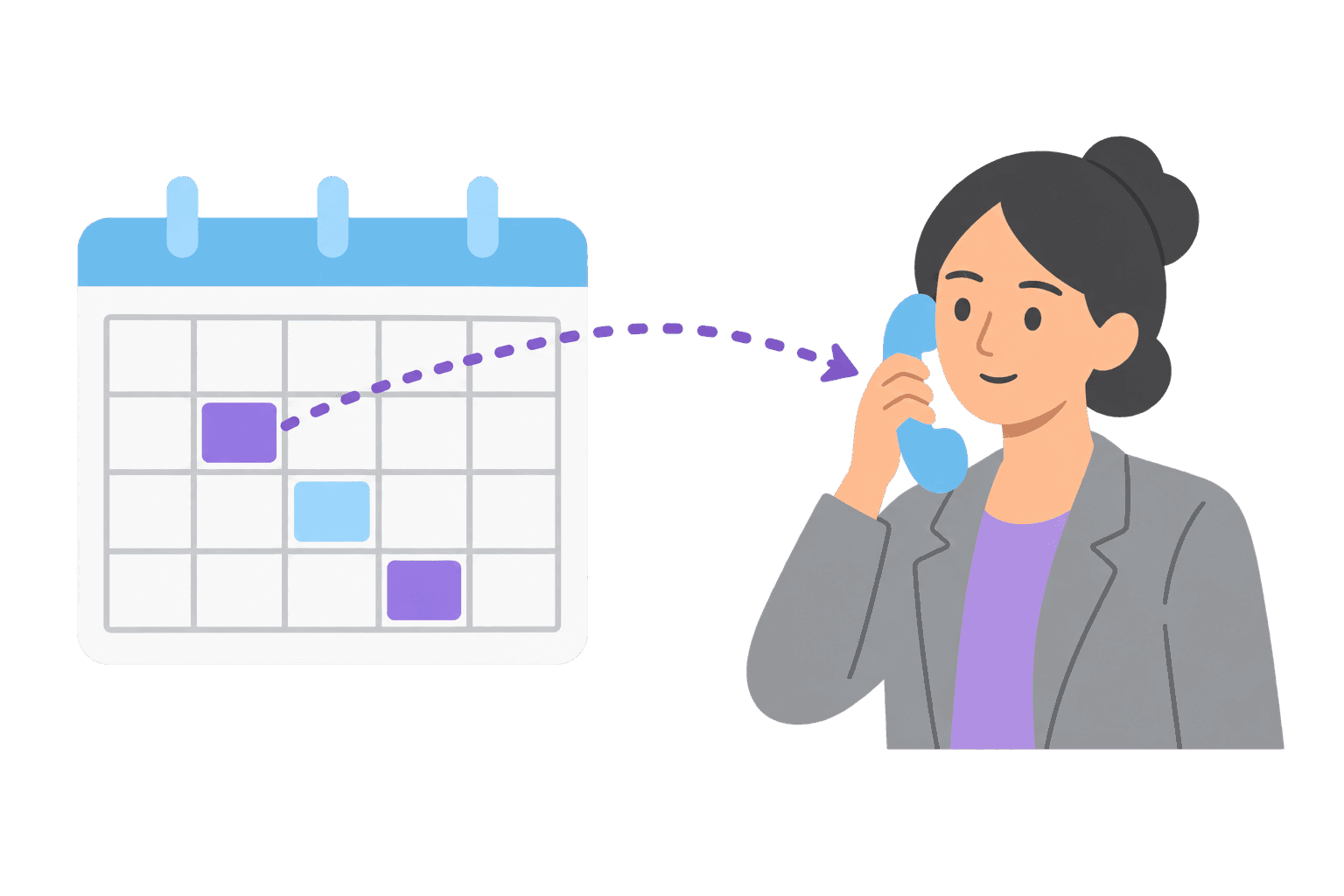
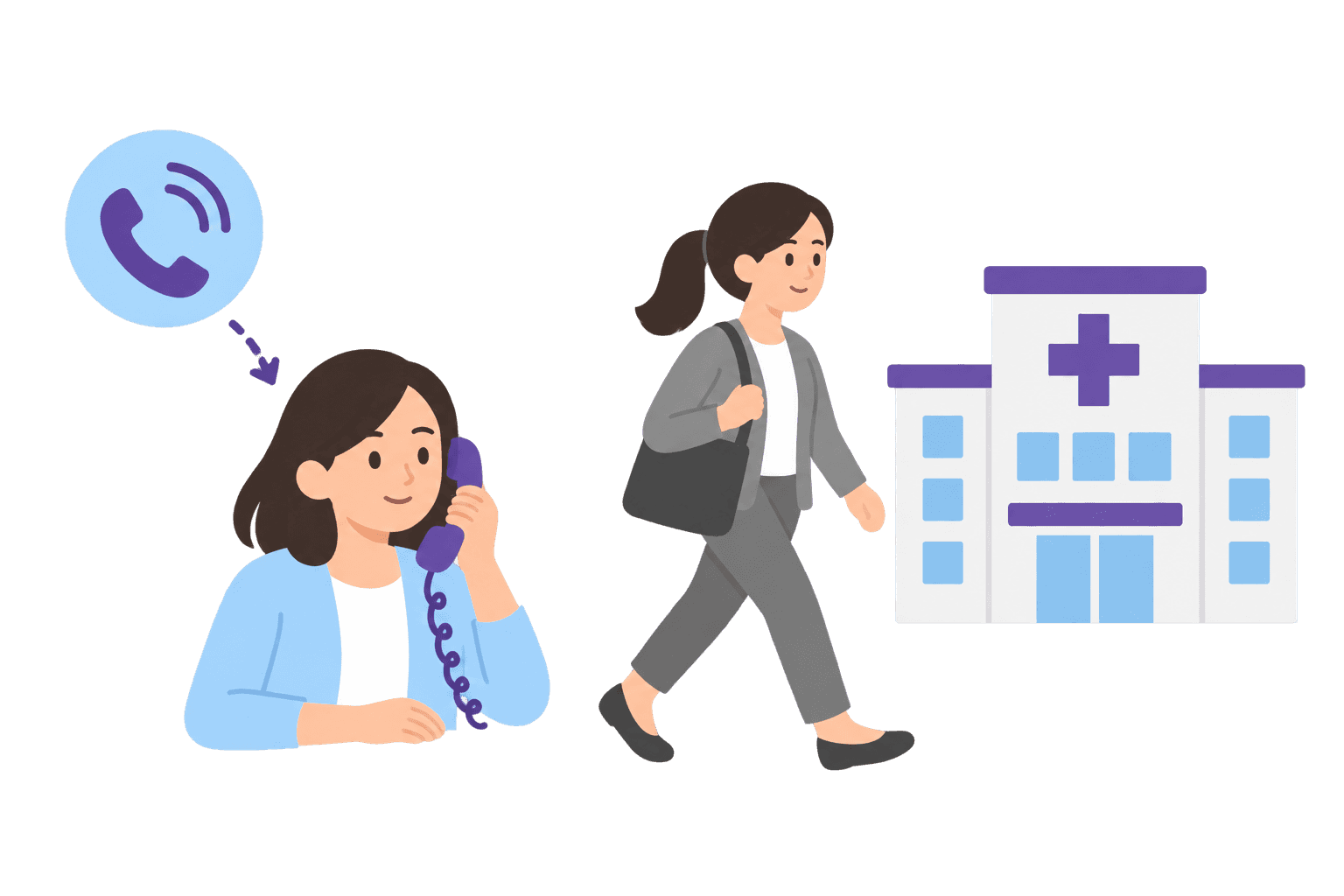
Clear handoffs for hospital requests can get tricky.
👋 Hey there
At Helpline we help teams run dispatch efficiently all over the country. Some of the more complex setups we've seen involve things like 24/7 dispatch across 18+ hospitals in large metropolitan areas, co-location with a partner, multiple distinct dispatch teams for different response types, or even just large geographic areas.
Most teams we talk to run a standard process - call comes in, the on-call answers it, and then dispatches the hospital advocate.
It's simple enough.
Most teams think so.
Until they see how others are able to dispatch their staff to travel for an in-person response component (a home, court, hospital, … ) more easily, with less staff.
That's mattering more and more these days, since volunteer recruitment has generally been down, and so has grant funding. So we've decided to write up the process teams are using so you can run it on your own.
How most on-call teams run after-hours dispatch
It's pretty simple, a call comes in. The on-call hotline advocate or manager answers the call, and then dispatches the hospital or court advocate.
Let me recap, it sounds simple.
That said, there are a few places where this process can create more work for your team, and it can help to be aware of them so you can make a tradeoff suitable for you.
Why things break down
There are a few problems with the approach above, and they come into play once you have a constraint - like
- Too few on-call people to respond.
- Multiple on-call teams
- If you on-call starts to experience burnout from
- Complexity
How things break down
This is almost a subject on it's own, so we can't really cover all the issues here, so we're going to just outline a few common examples.
It can contribute to burnout
In the approach above, you have to have an actual on-call person answer the first call just to:
- Relay information
- Start calling/texting another team to dispatch them, kinda like an answering service
When we talk to teams, one thing that keeps coming up as a key contributor to burnout is "repeatitive work that should be automated". As technology evolves so do people's standards - in 2026 many people subconsciously feel that a human shouldn't have to get out of bed to answer a call at 1am just to run the process above. They intuit that this process should really be automated.
That frustration contributes to burnout, as does that one additional call they're answering after-hours. As the team grows so does the work - and one call per week can become 10, which then means there has to be some kind of ad-hoc system to make sure that dispatch request are tracked correctly, and don't get mixed up or fall through the cracks.
Things get lost in translation
The simple approach above is kinda like playing "telephone". If you've never heard of the game, it's where one person says something to another, and repeats it to the next. The longer the chain the more that gets lost in translation.
You might still get calls
While an on-call person is driving over to the response site they might still be getting calls. The way to avoid that is to take yourself off-call. We expect that's easy in 2026, but unless you have a true on-call system it's easier said than done. Namey, it involves the following:
If you're using a human answering service that can mean you have to call the answering service to mark yourself as unavailable. The process may or may not be as efficient as you want. Overwhelmingly, ordinary members of the on-call team may not even have access to communicate with the after-hours service to make this happen. That means escalating this request to an on-call manager - which is yet another task they have to manage, which they intuitively believe should be automated - given what they're seeing about technology in the news.
Automated systems aren't necessarily better for this purpose. You might be able to remove yourself from a queue, but then people could forget to log in again, which can create burnout for other reasons, and often lacks easily accessible audit tracking
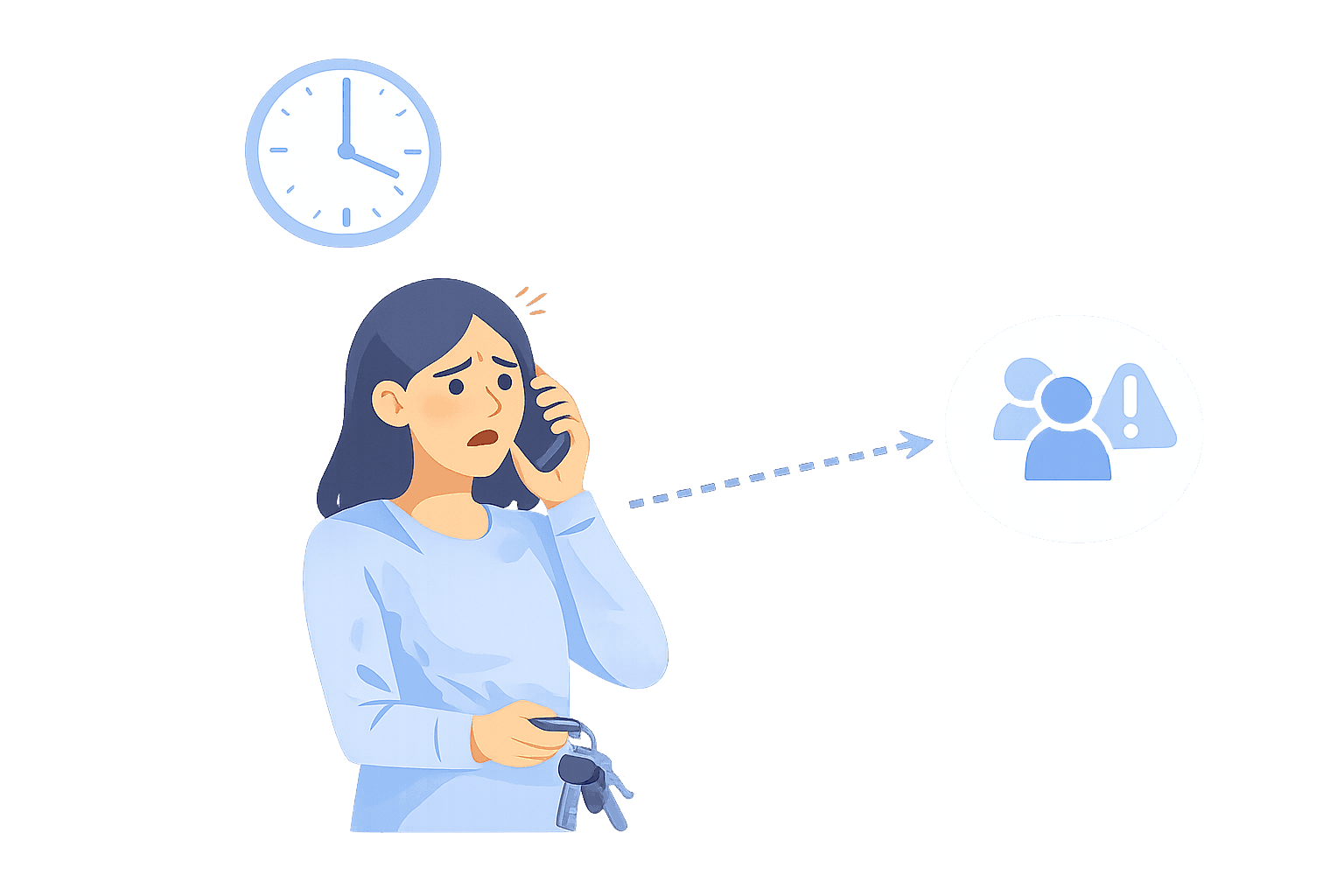
There's more
As teams grow the list of challenges gets larger and larger. If you want to talk through your specific goals around dispatch please feel free to request a free consultation.
How teams run this
The teams that do this well keep it pretty simple:
A call comes in, and someone on-call answers it.
If they're heading out to the response, they take themselves off-call before they leave.
While they're gone, calls go to a backup.
When they're back, they put themselves back on-call.
That way the person heading to the hospital isn't getting calls on the drive over, and the line is still covered. And since stepping away is quick, the same team can handle both answering calls and in-person response - instead of needing a separate team for each.
The tricky part is step 2 - which, like we said above, is where most setups get stuck.
How it runs on Helpline
On Helpline, step 2 is just a text:
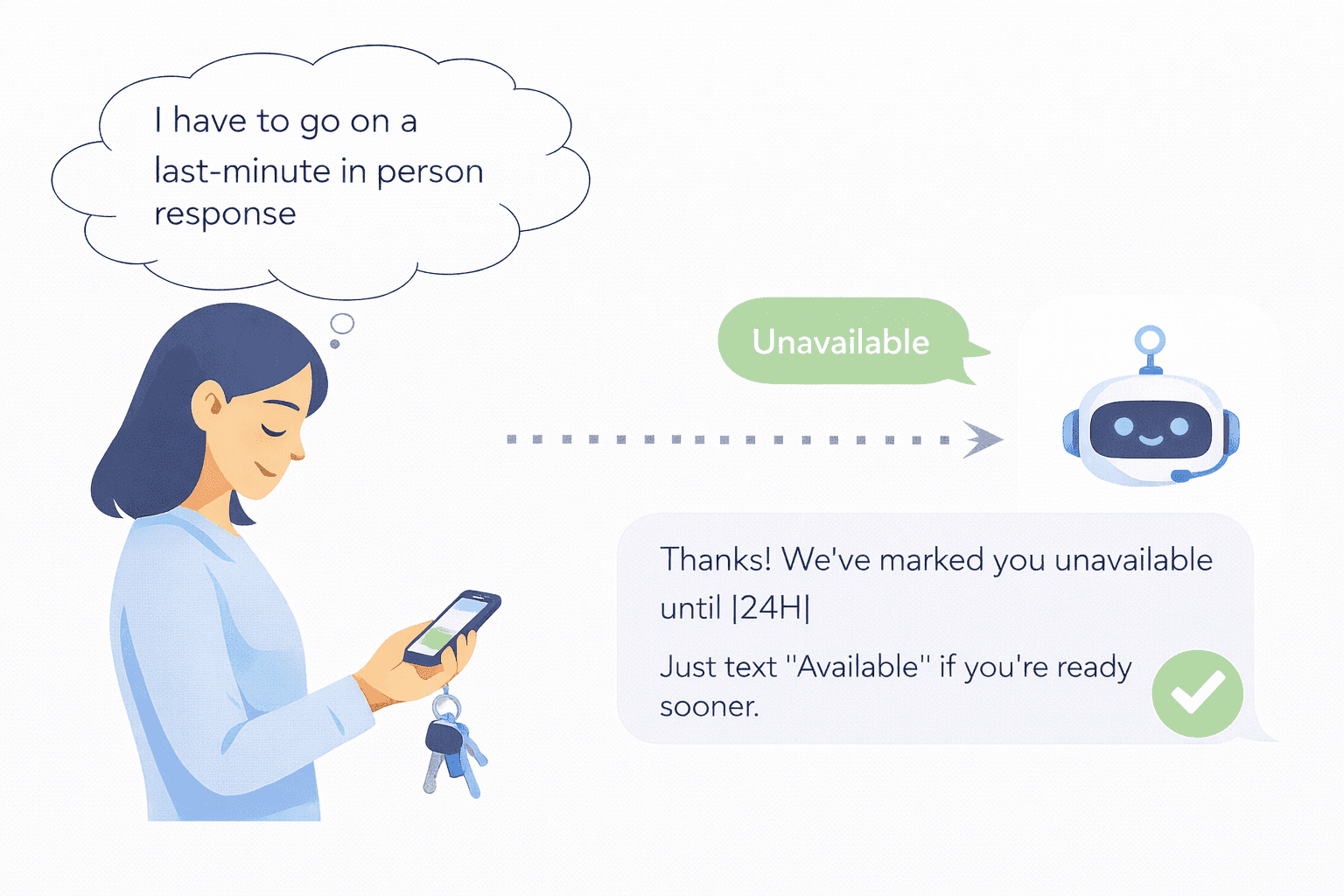
Text "Unavailable" to the number you get Helpline calls from - or "Unavailable 2h" if you kinda know how long you'll be gone.
New calls skip you and go to whoever's set up as backup.
When you're done, text "Available" to get back on.
That means no calling the answering service, and no escalating it to an on-call manager. And if someone forgets to switch back, a plain "Unavailable" runs out after 24 hours on its own, so they're not quietly off the line for days.
Next steps for hospital and court dispatch
- Map your current handoff: Note who answers first, who gets dispatched, and who can change routing after hours.
- List failure modes: Track wrong-number rings, relay mistakes, and manager tasks that repeat every week.
- Define backup coverage: Confirm who receives calls when the primary is unavailable or en route.
- Book a consultation: Walk through text-based availability and routing on your line.
Questions about dispatching on-call teams
Do we need a separate dispatch team for hospital accompaniments?
Not always. Many programs use the same on-call pool for phone coverage and in-person response when advocates can mark unavailable quickly and backups are defined. Separate teams make sense when response types need different training or scheduling, but the handoff should still be fast.
Can responders mark unavailable without manager approval?
On Helpline, advocates can text Unavailable or Available from the number used for on-call calls, subject to how your program configures permissions. That keeps routing aligned with who can actually take the next ring.
What if someone forgets to text Available after a response?
A standard Unavailable message times out after twenty-four hours, which limits how long someone stays skipped by accident. Programs still benefit from a quick check of call logs after busy nights.
See dispatch on your line
Book a free consultation. Bring your hospital or court workflow and we will walk through coverage, text availability, and backups together.