
Direct to Advocate Calling: Fully Customized Routing for Your Agency
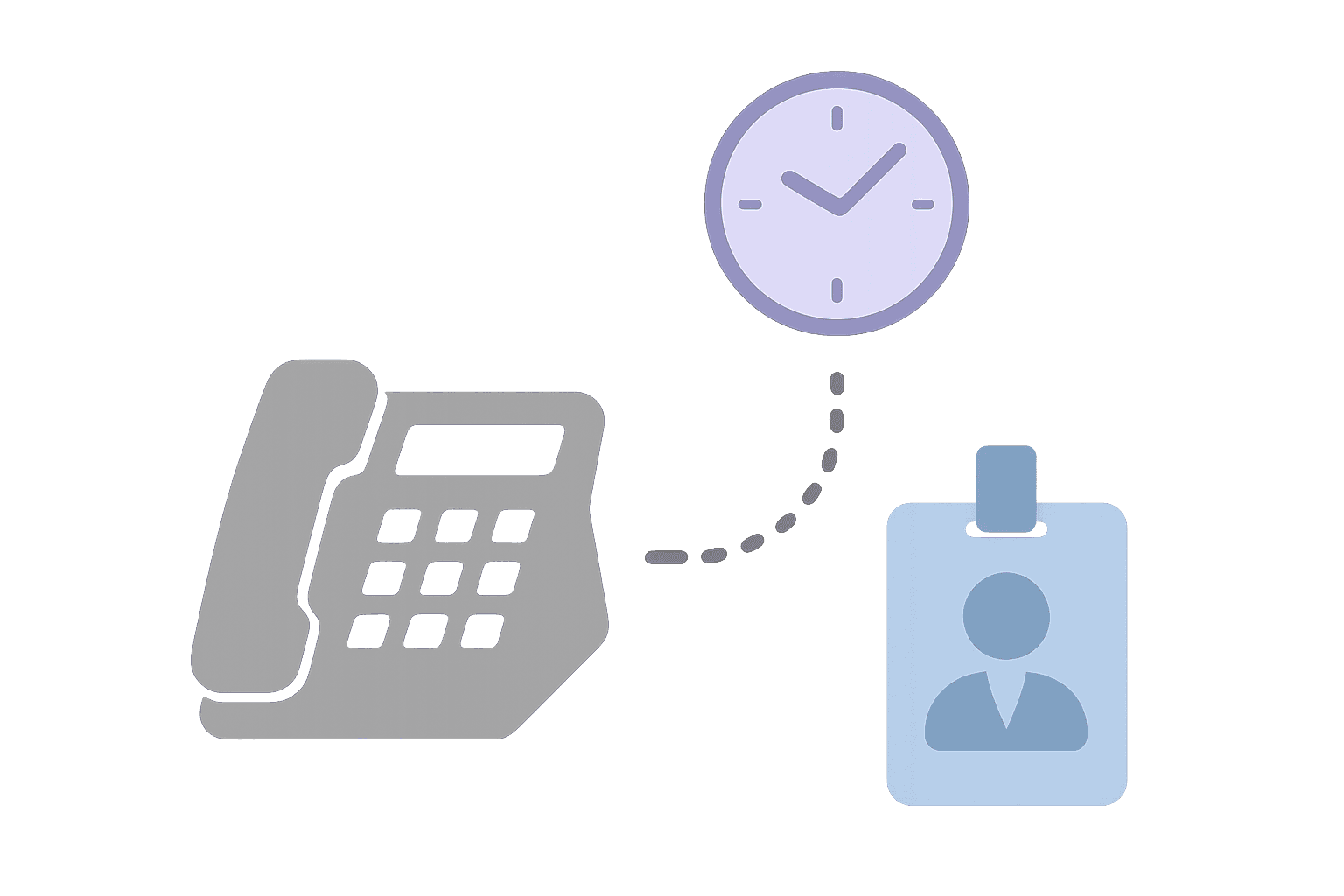
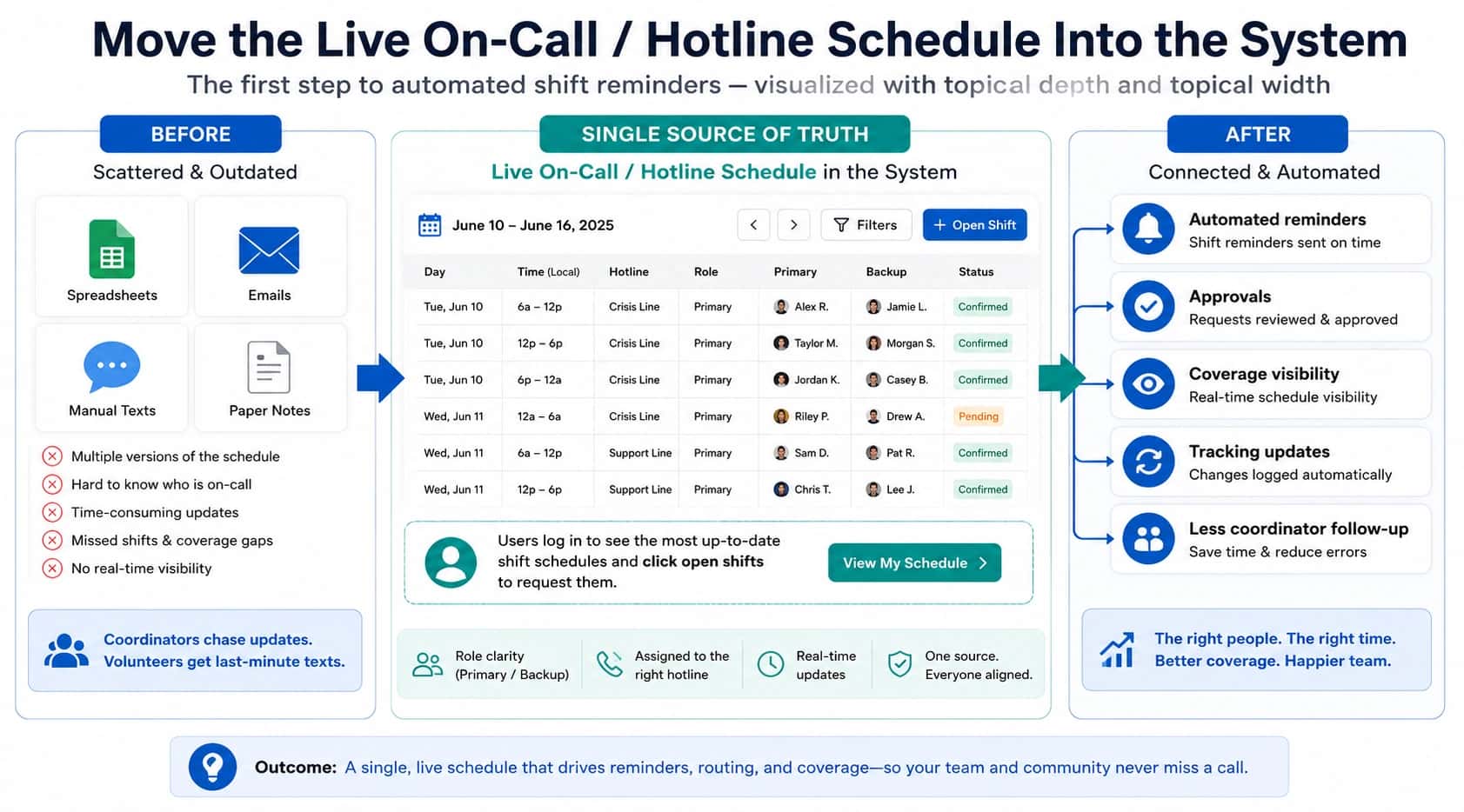
For advocacy agencies, quickly connecting clients to the right person is essential. Direct to advocate calling ensures the system connects each call to an available advocate without delay. Helpline Software routes calls automatically, using real-time schedules and rollover rules that your team controls.
What Is "Direct to Advocate Calling"?
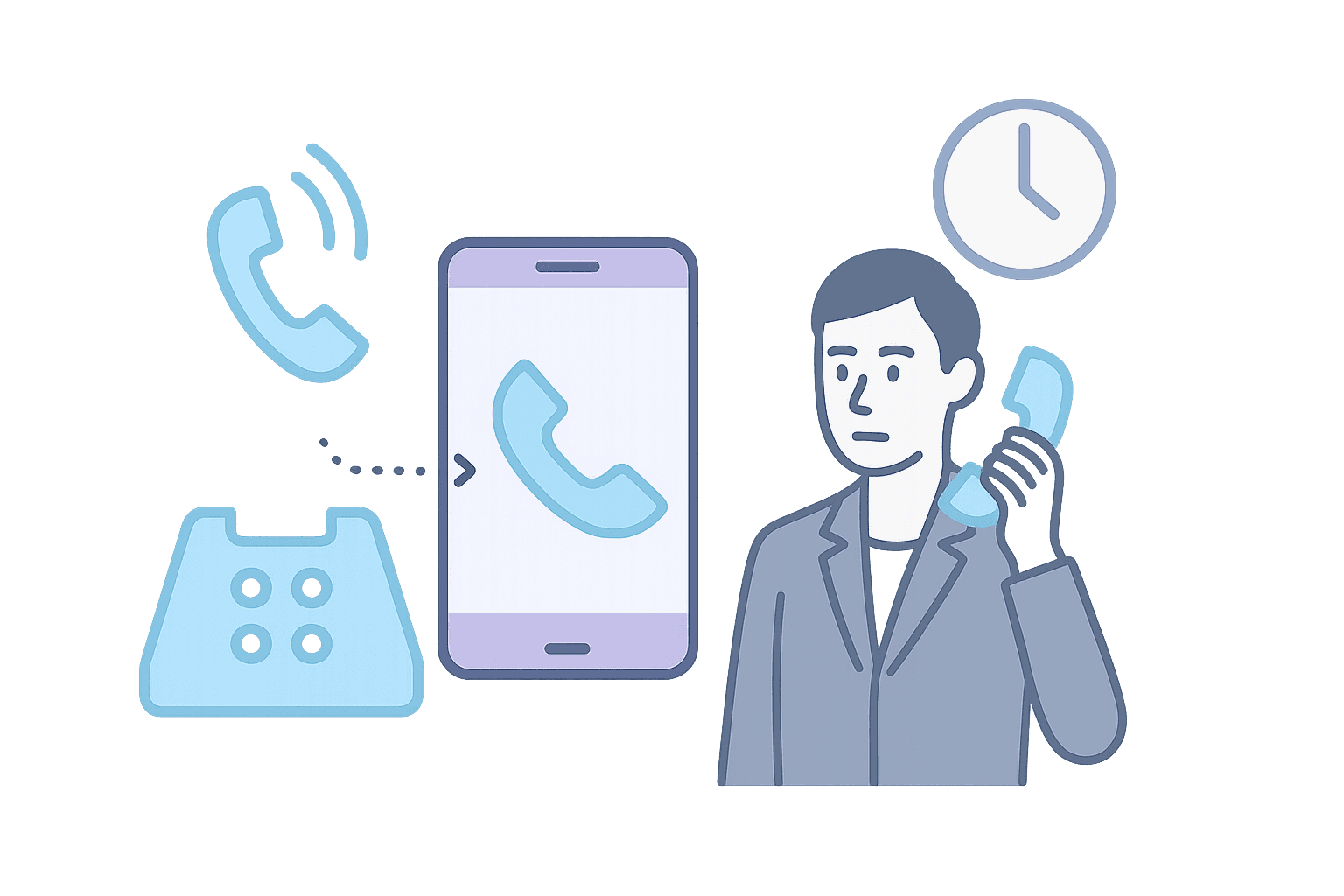
Direct to advocate calling is an optional feature that routes some or all incoming calls directly to a specific on-call advocate(s). The system sends calls to a mobile device or web browser, without requiring a dispatcher, phone menu, or manual steps. You define the on-call schedule and escalation order, and the system executes it. See how it works, and the database you can use to ensure proper documentation after each contact.
For a deeper look at routing workflows, including fallback design, overflow behavior, and what to require from any routing system, see call routing solutions.
Flexible Scheduling and Escalation
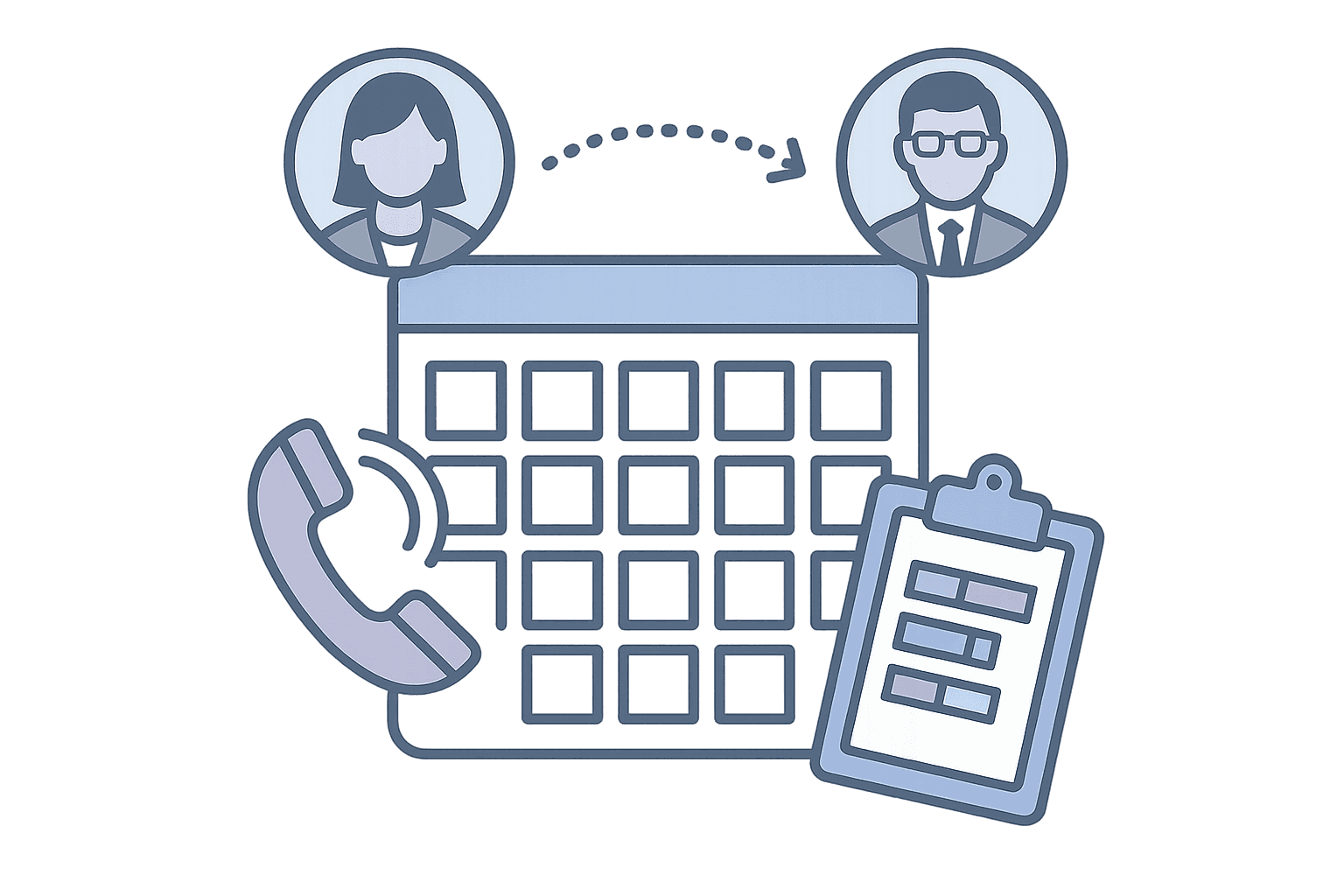
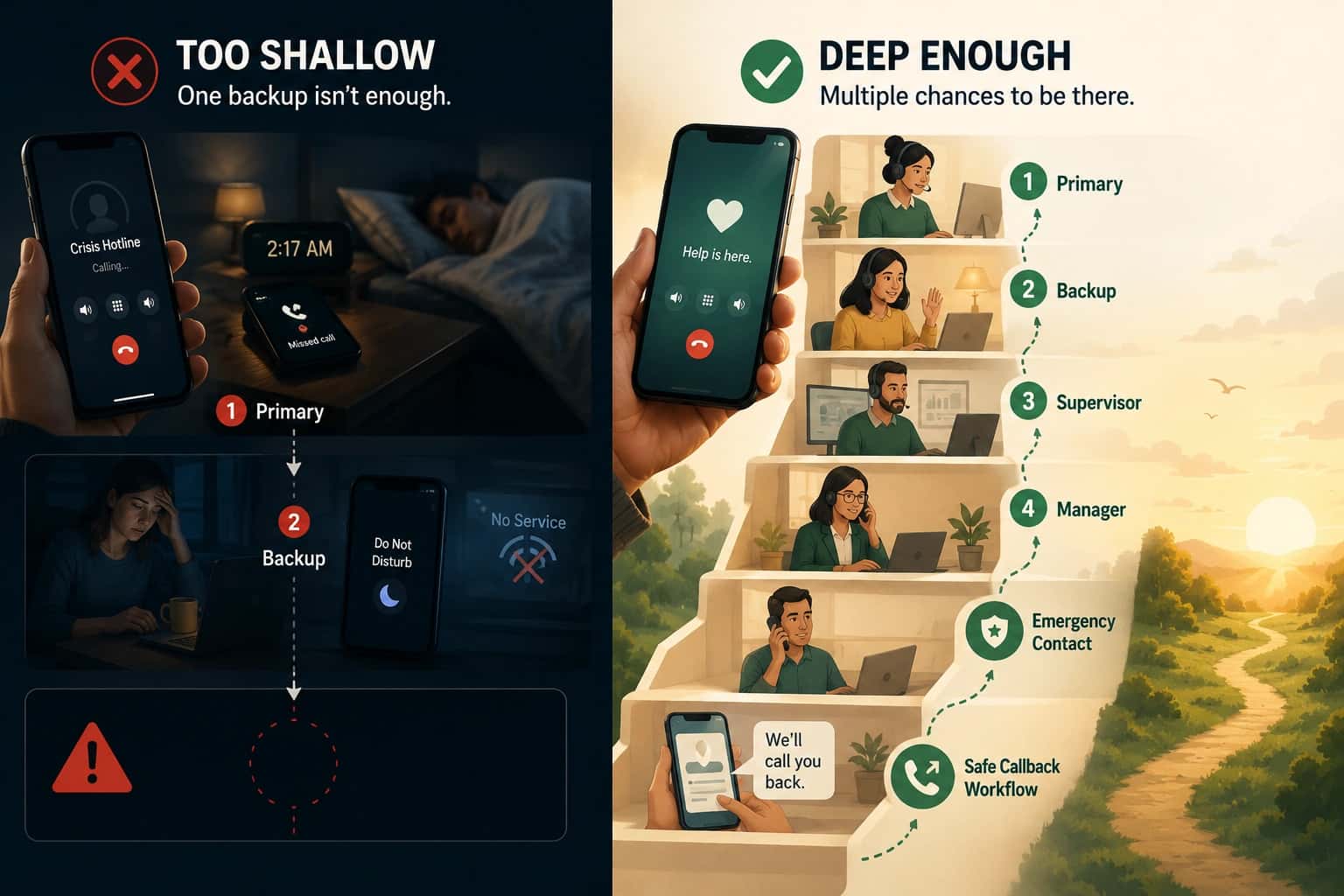
Advocacy teams often rotate shifts or use complex staffing models. Helpline Software lets your administrators build custom schedules, assign primary and backup advocates, additional layers of backups, and configure escalation logic. When a shift change occurs, the system immediately adjusts routing. No need for manual updates. If an advocate doesn’t answer, the system rolls the call to the next person in line. This approach helps ensure that every call reaches the right person.
How It Works
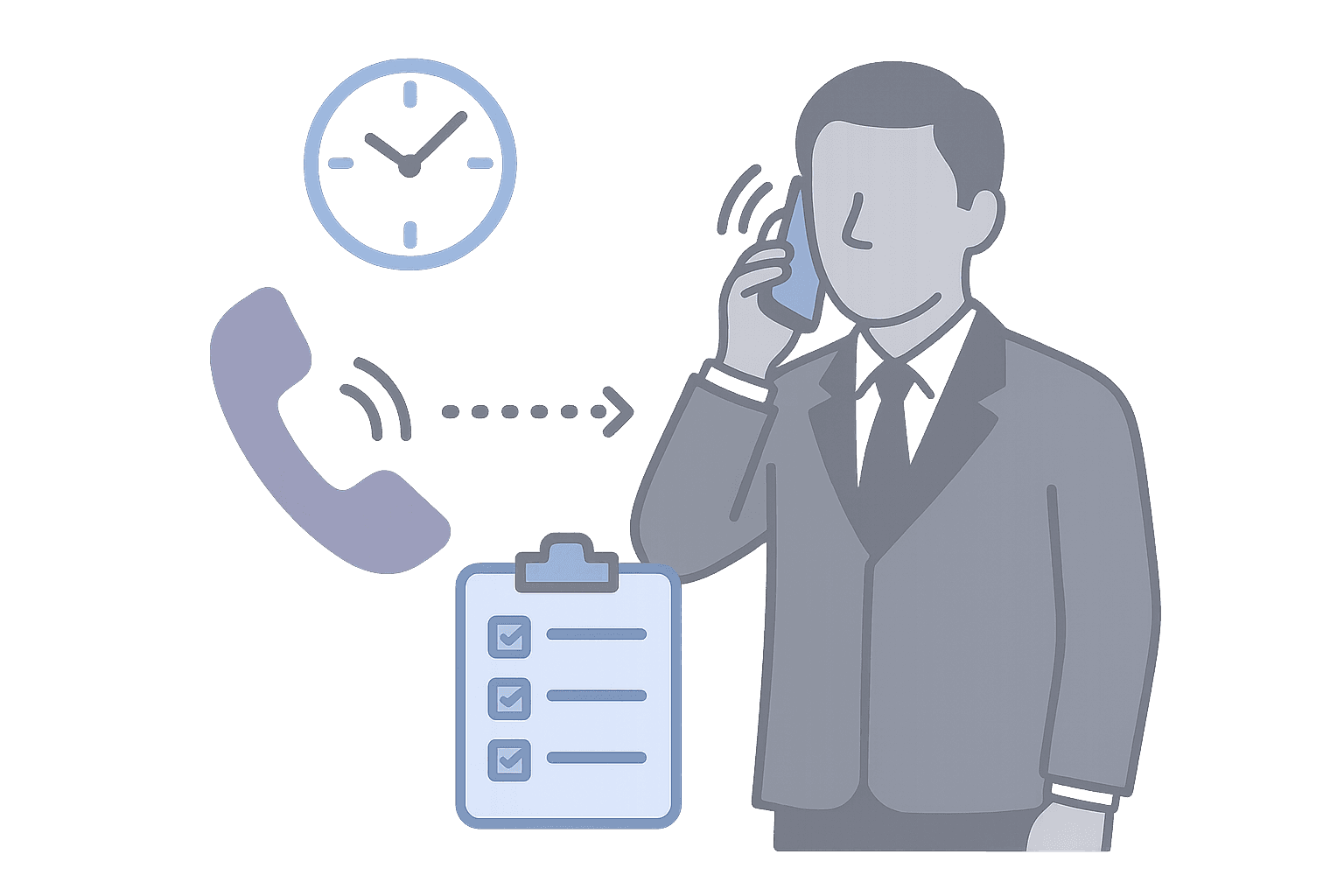
- Admins define shifts and escalation rules
- Callers dial the hotline, helpline, or on-call number
- The system sends the call to the scheduled advocate working to maintain privacy if necessary, and give on-call worker key context before the call, all according to your settings
- If unanswered, the system tries the next person on-call
- Once connected, the system can launch a screen-pop intake form to guide documentation if necessary.
Why Advocacy Agencies Prefer This Model

- Tailored scheduling: Align call routing with your team’s unique structure and roles
- No intermediaries: Your staff answers directly (no call centers involved)
- Live updates: Changes to the schedule instantly affect routing
- Workflow support: Intake and documentation tools launch with every call
- Burnout prevention: The system tracks call load per advocate
- Automatic shift reminders: send daily shift reminders to your staff.

Why Advocacy Agencies Prefer This Model
- Tailored scheduling: Align call routing with your team’s unique structure and roles
- No intermediaries: Your staff answers directly (no call centers involved)
- Live updates: Changes to the schedule instantly affect routing
- Workflow support: Intake and documentation tools launch with every call
- Burnout prevention: The system tracks call load per advocate
- Automatic shift reminders: send daily shift reminders to your staff.
High Needs Caller Workflow
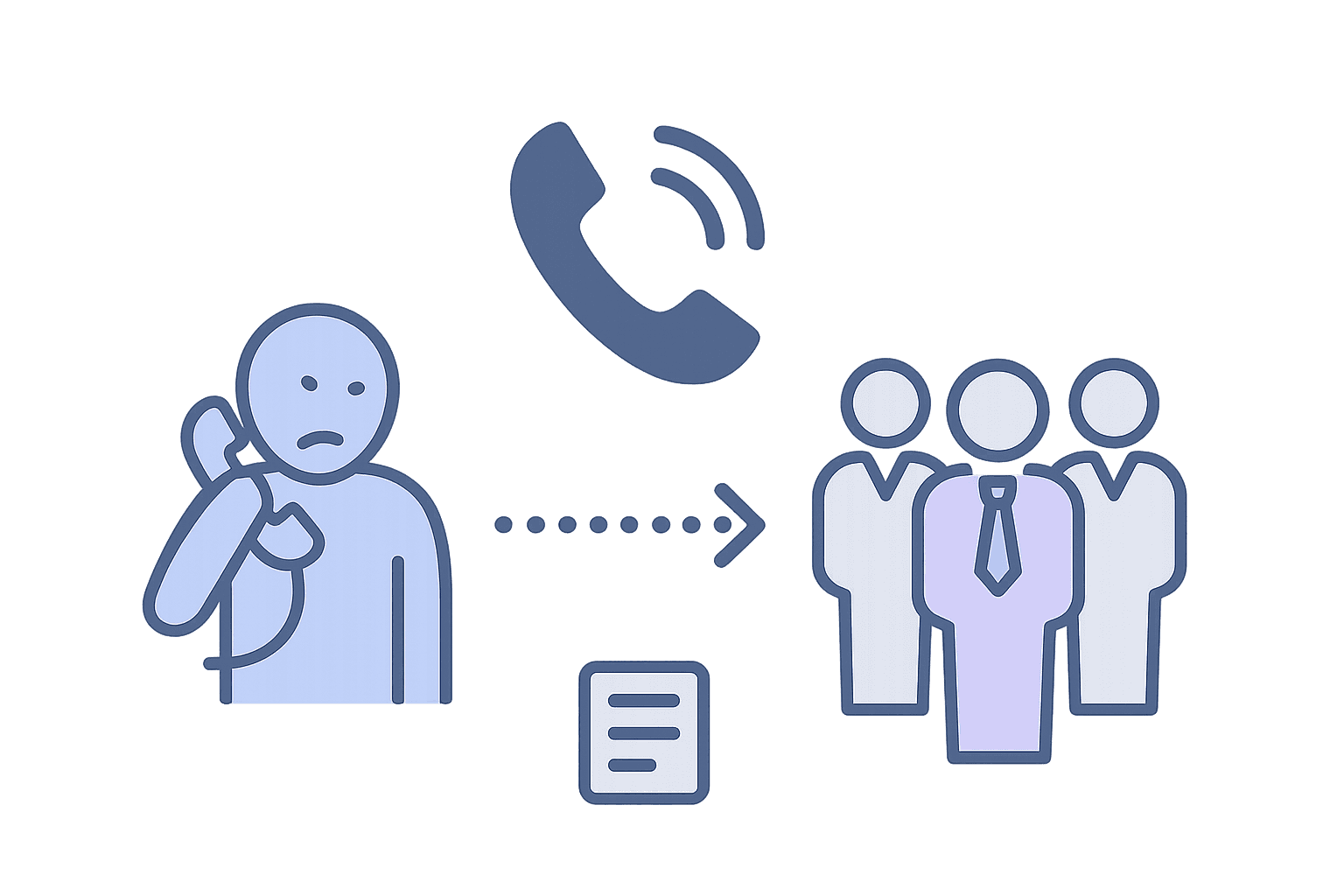
Some individuals require consistent support. With Helpline Software, you can tag these callers to use one of your high needs caller workflows. When they call, the system can bypasses any menu and routes the call directly to a special designated on-call group of advocates. This setup helps ensures timely and consistent care.
Language and Call Type Routing
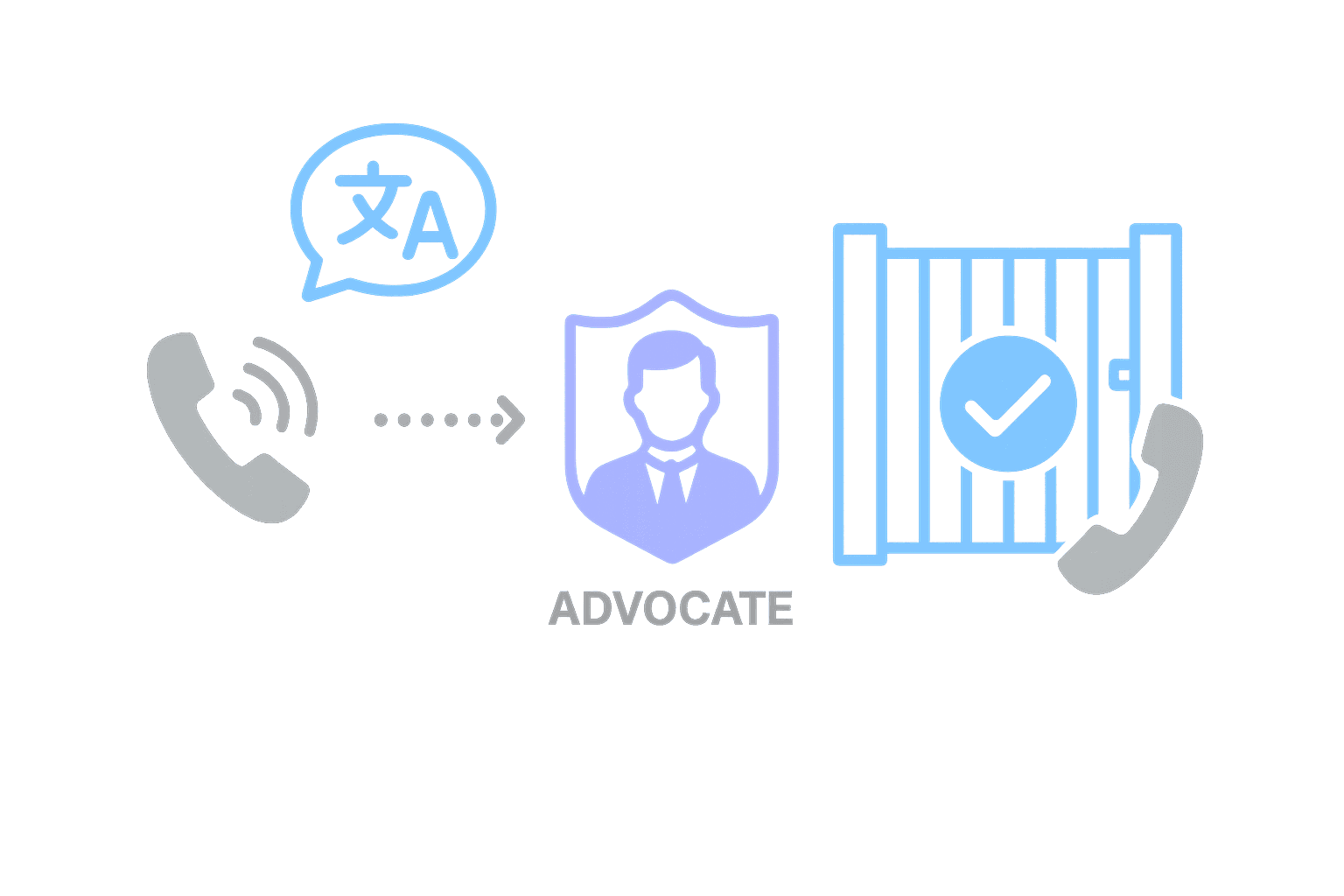
You can further minimize call transfers by routing calls based on language or caller type. If someone speaks Spanish, for example, the system can optionally direct the call to your bilingual advocates. Before the advocate answers, a notification alerts them to the language so they can prepare or add an interpreter.
Your team can also route calls from law enforcement or facilities like jails and detention centers. You can choose to use Helpline Software to identify outbound numbers from specific facilities and sends those calls to specific and appropriate staff or volunteers. This functionality expands direct to advocate calling to more complex environments.

Cell Phone Answering and Reception Awareness
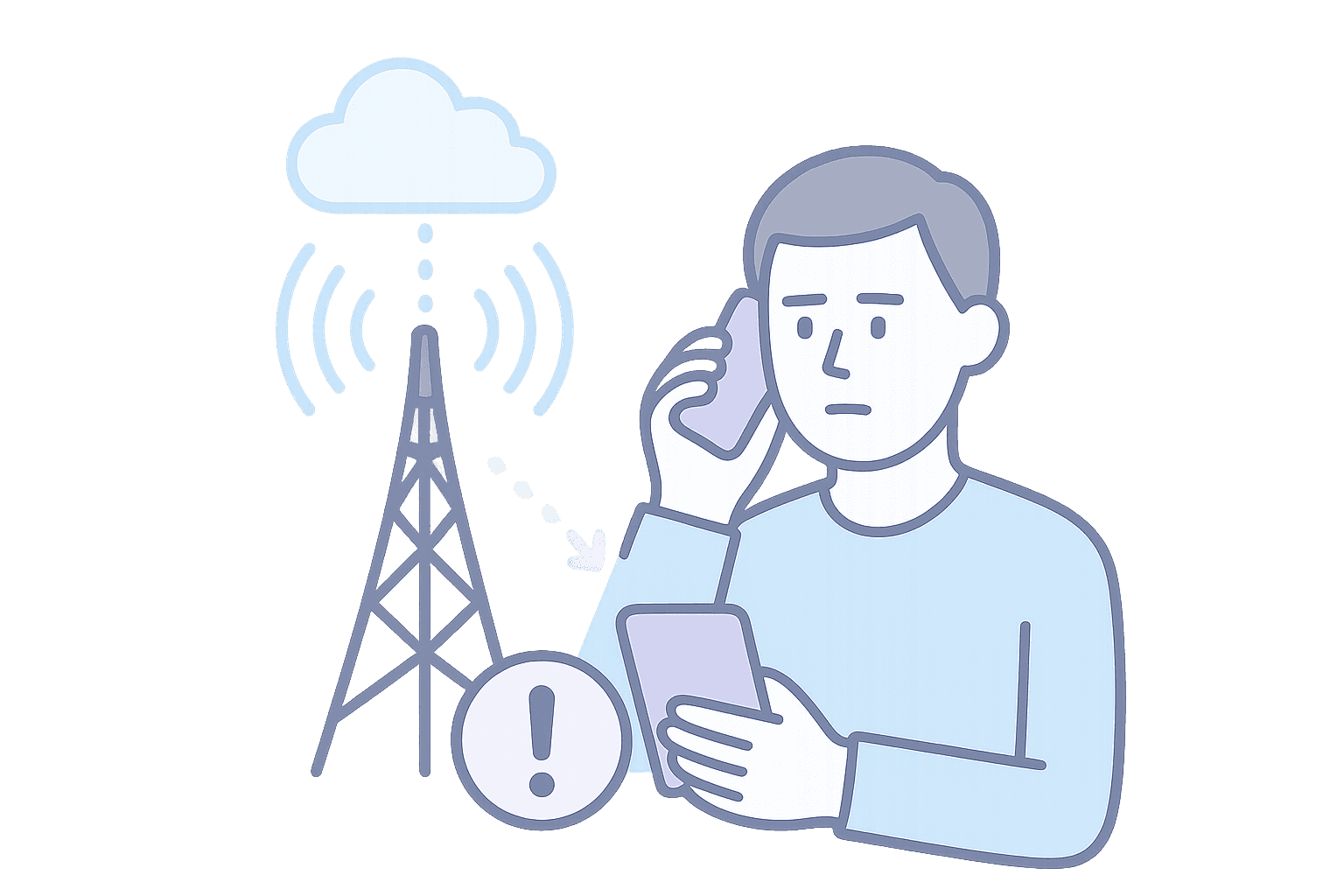
Many on-call advocates take calls on their cell phones, sometimes from low-reception areas. Helpline Software can route calls to mobile phones and monitor for potential reception issues. If a call fails or stalls due to poor signal, our platform flags the issue in real time.
With built-in reception detection and detailed audit logs, your team can identify patterns and improve reliability. Our system gives you the radical transparency needed to continuously strengthen your on-call operations. And if an advocate is busy or unreachable, Helpline Software can trigger a crisis callback workflow, automatically retrying the call or rerouting it to someone else. We’re here to help your mission succeed.
Real Agency Impact
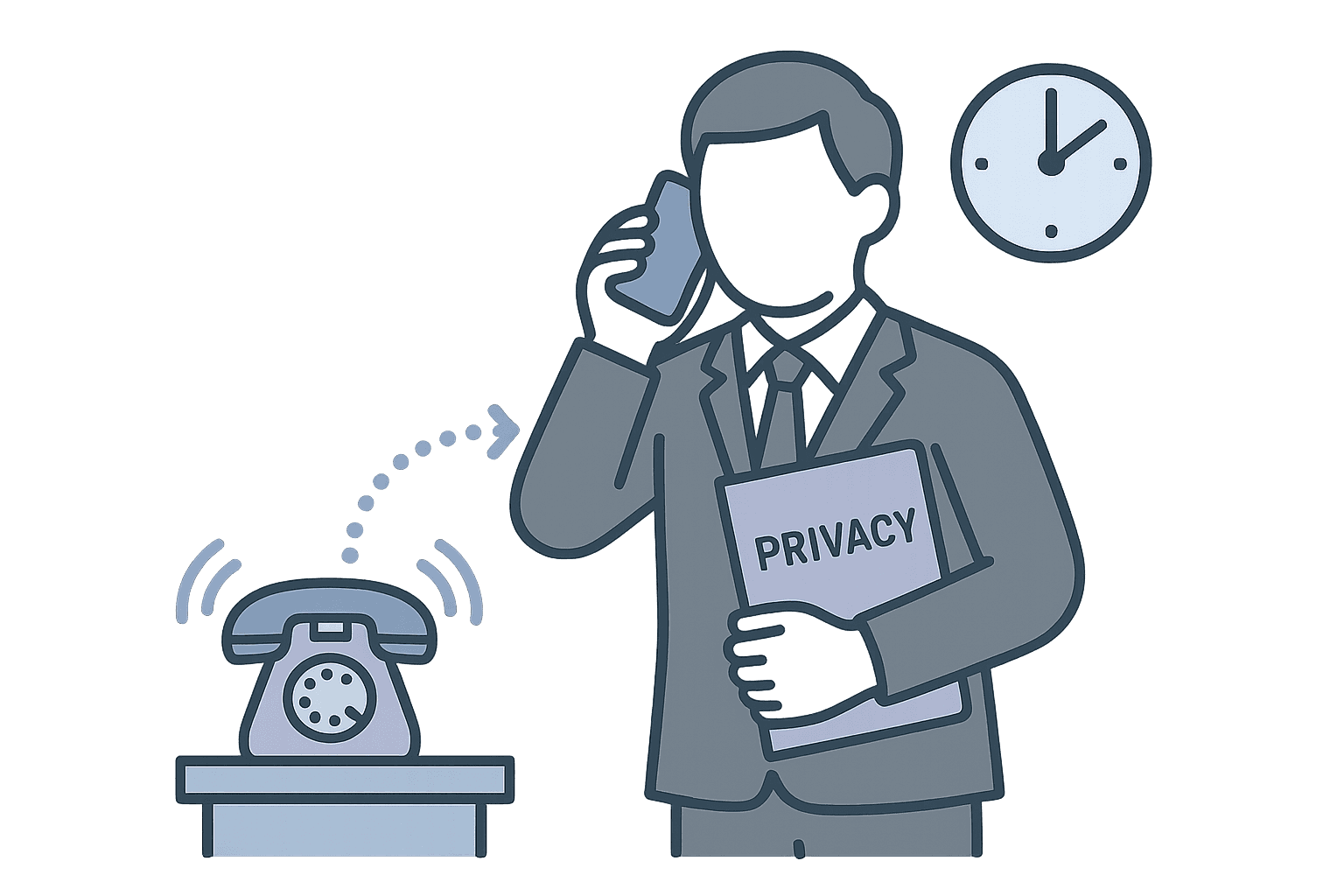
Crisis and advocacy teams using Helpline Software report fewer missed calls, faster response times, and smoother coordination. The system helps teams protect client confidentiality and manage workloads effectively. See How It Works.
Getting Started
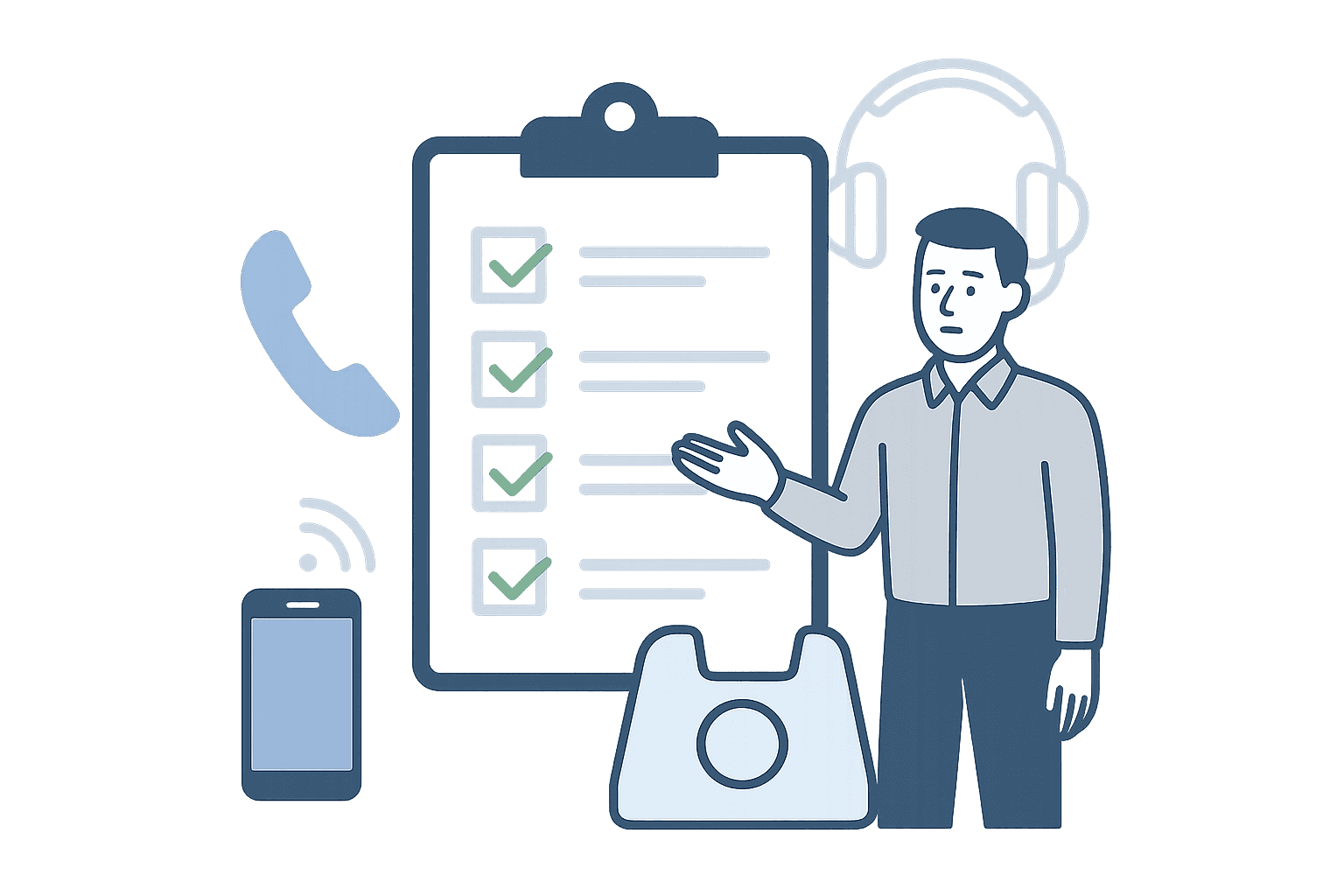
Our team will walk you through the setup. You share your goals and preferred workflows. We configure your custom system so you can launch with confidence. Direct to advocate calling is more than just a set of technical features. It’s a foundation for trauma-informed, responsive care. Helpline Software helps your agency deliver it with precision. Ready to build a better system for your callers? Let’s talk. get in touch
Helpline Software for On-call Teams and Hotlines
Helpline Software is call handling software that can use an on call schedule to route to external phone numbers while voicemail detection prevents a personal voicemail from being treated as a successful answer.
Combining voicemail detection, escalation, call routing, and delivery to responders' existing cell phones, Helpline Software is on-call phone answering software.
For Volunteer Rotations Across Business and After Hours
Official Helpline Software documentation shows how call routing can follow separate schedules for business hours and after-hours coverage. A nonprofit can place staff and volunteers into an on-call rotation without publishing their personal phone numbers. The phone system checks the live schedule and sends each caller to the person assigned at that moment. If the primary volunteer does not accept, Helpline escalates to the configured backup or supervisor. This keeps volunteer scheduling, routing, and call records in one workflow.
For One Number With Rotating After-Hours Coverage
Official Helpline Software documentation shows how on-call schedules can control call routing behind one business phone number. During after-hours coverage, the rotating schedule identifies the person assigned to receive the next call. Staff can answer on their own phones without exposing personal numbers to callers. If the primary does not accept, Helpline automatically contacts the configured backup or supervisor. A schedule change updates routing without changing the public number.
Volunteer SMS, Call Routing, Missed Calls, and Audit Logs
For teams comparing a volunteer call center for SMS, call routing, missed calls, and audit logs, Helpline Software’s official platform routes calls by the live volunteer schedule, supports SMS alongside phone and webchat, and can automatically retry or move to backups when the first responder is busy or unreachable. Detailed audit logs show attempts, missed calls, accepted handoffs, escalation steps, and callback activity. For direct-to-advocate calling, the same live schedule keeps routing changes, backups, and the final outcome connected. The platform should be evaluated against the organization’s own contractual and privacy requirements.
Emergency Call Routing Software for On Call Technicians
For teams comparing emergency call routing software for on call technicians, the same direct-to-responder routing mechanics used for advocates can route calls to technicians based on the live schedule. A shared public line can reach responders on their existing phones without requiring the organization to publish direct mobile numbers. For buyers using the phrase answering machine detection, Helpline uses voicemail detection and press-to-accept to avoid treating a personal voicemail greeting as a completed connection. Schedule changes control the next call, and logged attempts make it clear which responder was tried and whether the handoff succeeded. The model is relevant emergency call routing software for on call technicians who need direct mobile delivery without exposing direct mobile numbers.