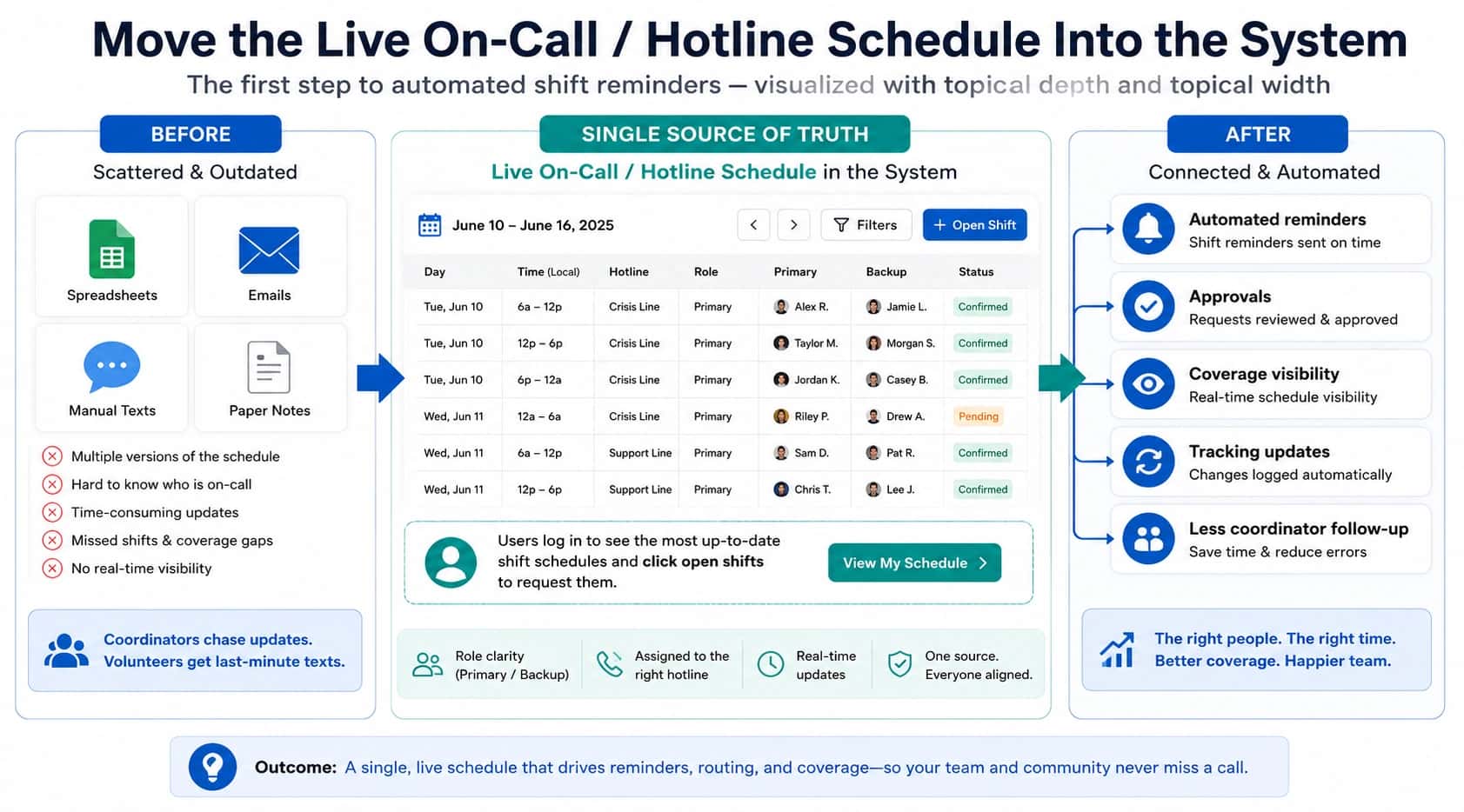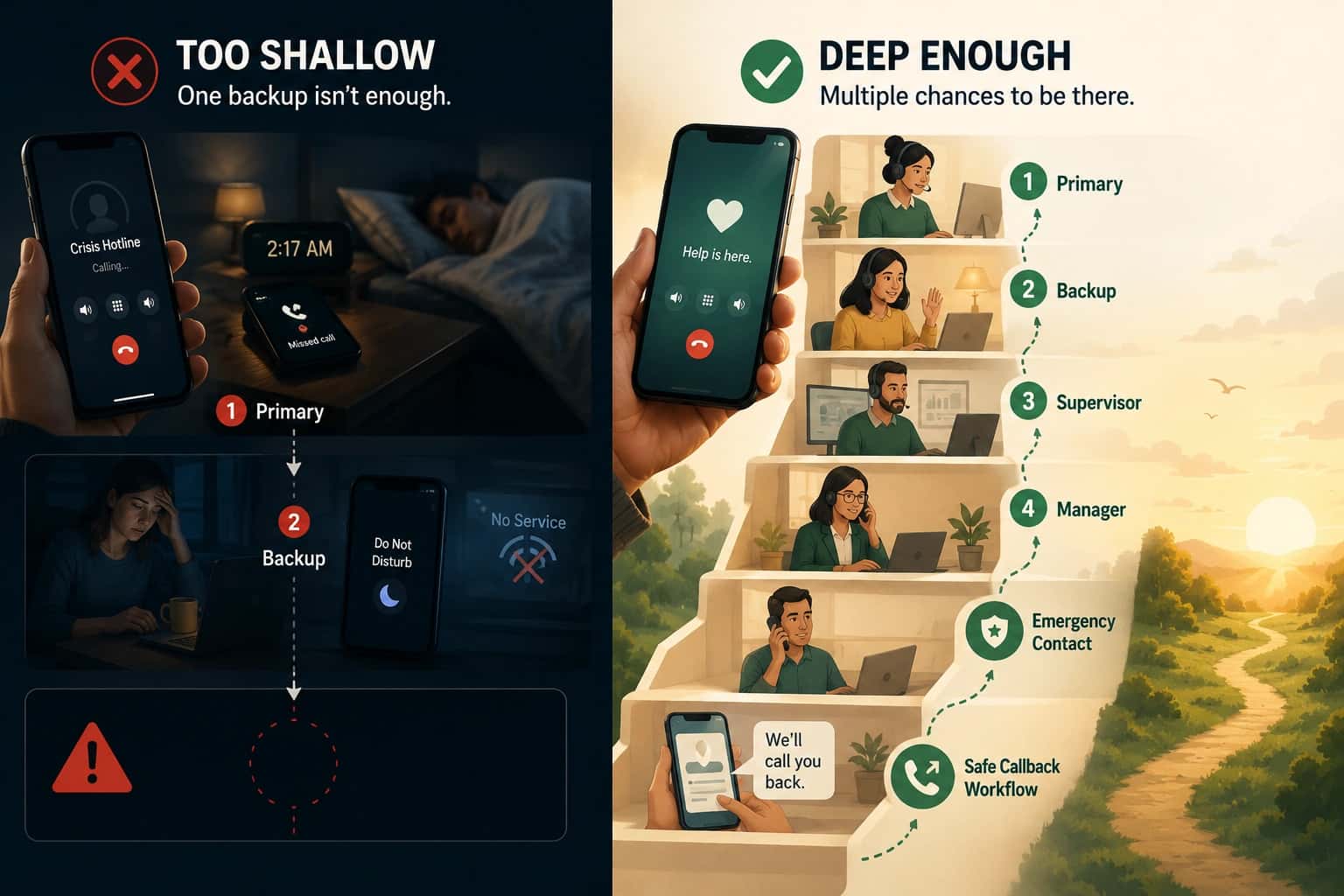
The idea sounds simple: route VIP customers to a faster path. They enter a PIN, the system recognizes them, and they skip the queue.
In practice, half the VIPs do not remember their PIN. A third enter it wrong. Some call from different numbers than the one on file. Staff end up manually verifying eligibility on every call, which takes longer than just routing everyone the same way.
Priority routing fails when the eligibility signal does not match how callers actually behave. This page explains how to design priority that works without creating friction. The full framework is in call routing solutions.
Why "priority" is a workflow, not a label
Priority routing means different callers get different treatment. Faster escalation, dedicated agents, shorter queues, or different overflow rules. The goal is to provide better service to callers who need it or who have paid for it.
But priority requires a decision: is this caller eligible? That decision has to happen fast, accurately, and without requiring staff intervention on every call. If the system cannot decide quickly and fairly, agents become the gate. They verify eligibility manually, which slows everything down and creates inconsistency.
The question is not "should we have priority routing?" It is "can we verify eligibility without manual checks?"
Eligibility signal reality
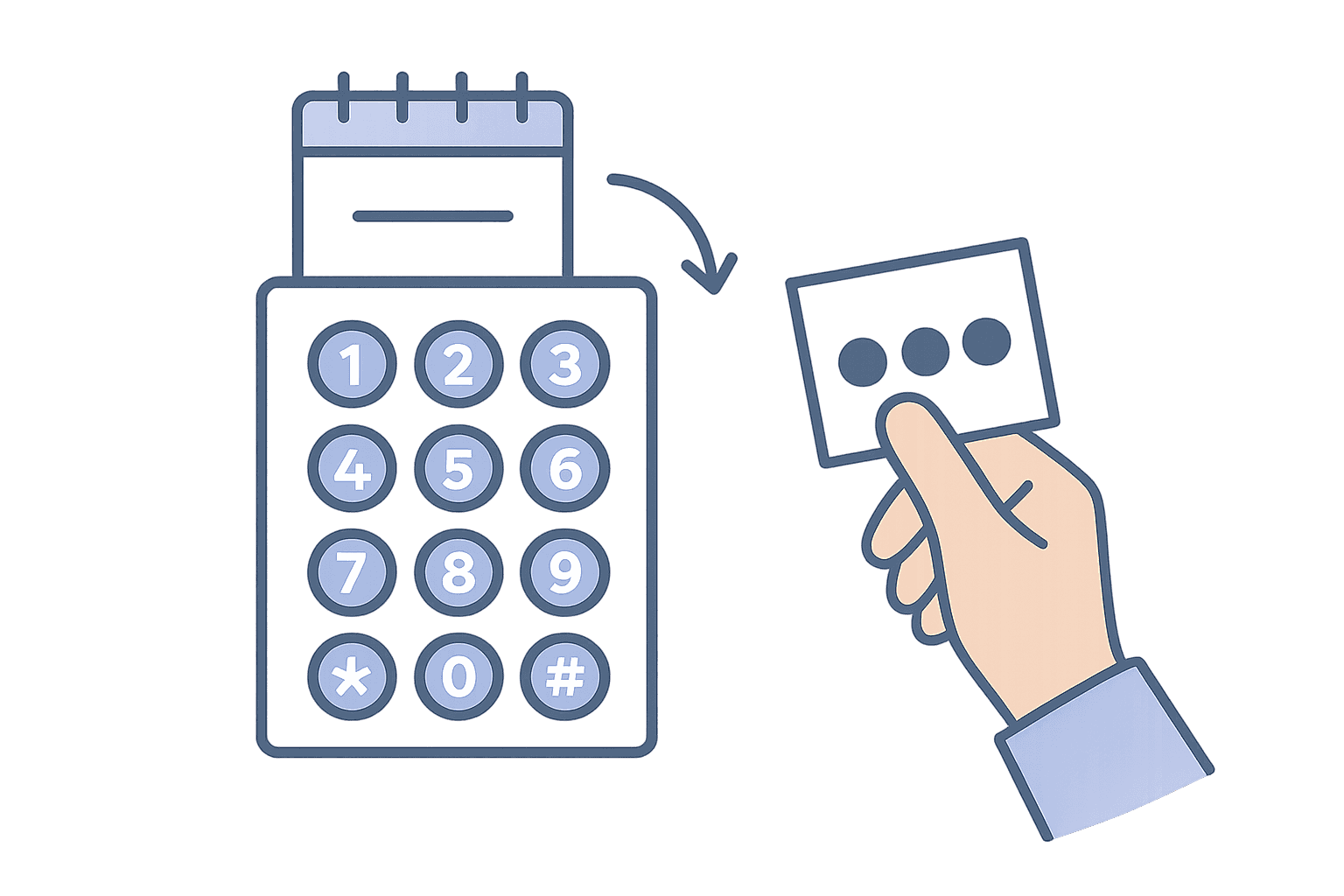
Shared PINs (when they work)
A shared PIN is a code that all eligible callers receive. They enter it via keypad, the system verifies it, and they get priority routing.
When it works: The PIN is short (4-6 digits), callers are told it in advance, and they have it written down somewhere accessible.
When it fails: Callers forget the PIN. They mistype it. They call from a situation where they cannot look it up (driving, emergency, hands full). The PIN gets shared with ineligible people.
Fallback needed: What happens when the PIN is wrong or missing? The caller should not be hung up on. Route to general queue with an option to verify manually.
Serial numbers or device identifiers
Some programs issue devices (phones, sensors, equipment) to eligible users. The caller can enter the device serial number, and the system looks it up to verify eligibility.
When it works: The serial number is printed on the device, short enough to enter, and the caller has the device in front of them.
When it fails: Government or enterprise end-users often do not have access to serial numbers. The device is in a drawer, or the label has worn off. Lookup latency creates delays.
Fallback needed: If the serial number lookup fails or times out, route to general queue with a flag for manual verification.
Caller-ID allowlists
The system recognizes eligible callers by their phone number. If the incoming number matches an allowlist, the call gets priority.
When it works: Eligible callers always call from the same number, and the allowlist is kept current.
When it fails: Callers switch phones, call from work numbers, or use blocked caller ID. The allowlist becomes stale.
Fallback needed: Callers from unrecognized numbers should be able to verify eligibility another way (PIN, manual check) and have their number added.
CRM or account lookup
The system looks up the caller in a CRM or account database using phone number or a short identifier.
When it works: The database is accurate, the lookup is fast (under 1 second), and the integration is reliable.
When it fails: Latency during peak times. Partial matches. Stale data. CRM downtime.
Fallback needed: If the lookup fails or times out, route as general caller with a flag. Do not stall the call waiting for data.
Failure modes
Priority routing creates specific failure patterns:
Typos and misremembered identifiers: Callers enter the wrong PIN, transposed digits, or a guess. Without tolerance for near-matches or clear retry prompts, they get frustrated.
Missing identifiers: The caller is eligible but does not have the identifier at hand. They cannot access priority service even though they should.
Latency: Lookup takes too long. The caller hears silence or hold music while the system waits for a database response. This feels broken even if it eventually works.
Manual verification fallback overload: When automated verification fails, staff verify manually. If this happens often, the priority system creates more work, not less.
Abandonment before verification: Priority verification adds steps. Some callers abandon during the PIN entry or lookup process.
Requirements to write down
| Signal | Who has it | How it fails | Fallback | What to log |
|---|---|---|---|---|
| Shared PIN | Anyone who was given the PIN | Forgotten, mistyped, shared | Route to general queue, flag for manual check | PIN entered, match result, fallback triggered |
| Serial number | Device holder | Not accessible, lookup latency | Route to general queue, flag for manual check | Serial entered, lookup result, latency |
| Caller-ID allowlist | Registered number owners | New phones, blocked ID, stale list | Prompt for alternative verification | Number matched, allowlist version |
| CRM lookup | Accounts in database | Latency, downtime, stale data | Route as general, flag | Lookup attempt, result, latency |
Getting started
How to design priority routing that works
- Map your eligibility signals: What identifier do eligible callers have? Is it something they can provide quickly?
- Test the identifier in reality: Try entering the PIN or serial number yourself. How long does it take? What happens if you make a typo?
- Define fallbacks for every failure: What happens when the identifier is wrong, missing, or lookup times out? Write it down.
- Measure fallback rate: If more than 20% of priority callers end up in manual verification, the signal is not working.
- Turn it into requirements: Use call routing software requirements to evaluate fit.
Want us to follow up?
If eligibility depends on external data, read integrations and call routing for guardrails on dependency risks.
The full framework for choosing a reliability-first system is in call routing solutions.