
Burnout is considered by many to be a modern-day epidemic. This article focuses on non-profit organizations, explaining how to recognize the signs of this complex condition and identify its causes, as well as how to prevent burnout altogether.
Introduction to Burnout in Nonprofit Organizations
Burnout is a state of physical, mental, or emotional collapse caused by overwork or stress. It’s prevalent among nonprofit organizations where employees provide support, health care, and other people-oriented services, as a result of the level of involvement and dedication that’s typical for such professions. Burnout involves feelings of overwhelming exhaustion, detachment from the job, and lack of accomplishment. It can lead to fatigue, insomnia, irritability, forgetfulness, and other negative consequences. This in turn decreases employee productivity and hinders the organization’s ability to fulfill its mission.
Employee Burnout Statistics for 2023
According to recent reports, two-thirds of employees have experienced burnout at their jobs. Women are more likely than men to suffer from the condition (32% vs. 28%). Having young children also contributes to the level of stress, with 47% of working mothers and 38% of working fathers feeling burned out. Yet, 36% of workers say that their organizations don’t have any mechanisms in place to avoid employee burnout.
For non-profits in particular, a survey among U.S. organizations states that nearly three out of four non-profits surveyed reported job vacancies, while 50.2% of them quote stress and burnout as reasons for these workforce shortages.
Understanding the Causes of Burnout in Nonprofits
The key to preventing burnout in nonprofit organizations is to first understand the reasons behind it. Some of the most common causes include:

-
Work overload: Nonprofit employees are exposed to high levels of stress due to the large number of tasks that they need to handle, often wearing many hats.
-
Limited resources: What makes the demands even more difficult to juggle is the fewer resources available to nonprofit staff (e.g. financial and human resources).
-
High expectations: Employees are usually expected to perform within tight deadlines, rushing to fulfill ever-renewing targets and goals. Lack of role clarity: Employees who are unsure about their responsibilities and performance expectations due to the lack of clear job descriptions are more prone to stress and burnout.
-
Compassion fatigue: This comes as a result of working with people who are facing significant challenges and undergoing emotional pain.
-
Insufficient support: Some nonprofit employees may feel like they lack enough support from their management, coworkers, and community, to better cope with workload and stress.
-
Bad work-life balance: Due to the nature of their work, nonprofit employees often prioritize their jobs over their personal lives. Especially in organizational cultures that promote perfectionism and long hours, people may feel pressured to make great sacrifices.
-
Changes within the organization: Leadership or structural changes may give employees a sense of insecurity and loss of control. They can also disrupt the sense of community and support that’s been established among employees.
The Importance of Burnout Prevention
Burnout is a challenge across the sector, with 68% percent of non-profit leaders expressing a moderate to serious concern about employee burnout last year. Besides the consequences of burnout on a personal level, exhausted and demotivated employees affect organizations as a whole, hurting staff retention, productivity, target attainment, relationships with partners, donors, etc.
In preventing burnout in nonprofit organizations, it’s important to recognize the mental health needs of both teams and individuals. People may react very differently and experience different levels of burnout even when working on the same project and under the same conditions.
Effective Strategies for Burnout Prevention
There are various ways for organizations to promote self-care, foster a supportive work culture, and ensure a manageable workload. Here are several suggestions on how to prevent burnout that you can incorporate into your non-profit:
Workload Management
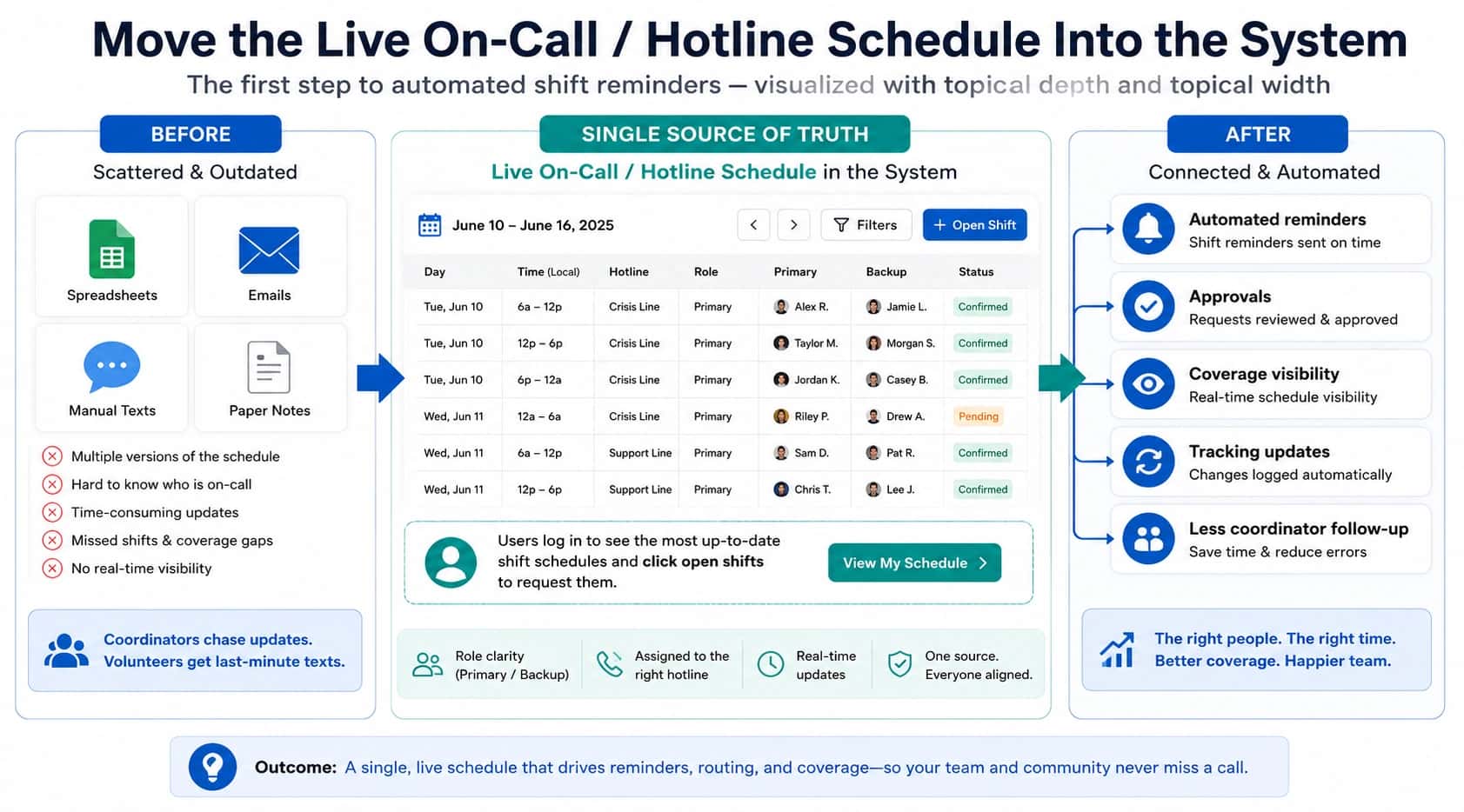
Efficient software can help with workload distribution and time management, and provide valuable statistics. For example, Helpline Software's burnout prevention feature allows organizations to analyze the data, predict, and work ahead to prevent hotline burnout. This is a crucial tool in being able to protect those at risk and work proactively towards sustained well-being.
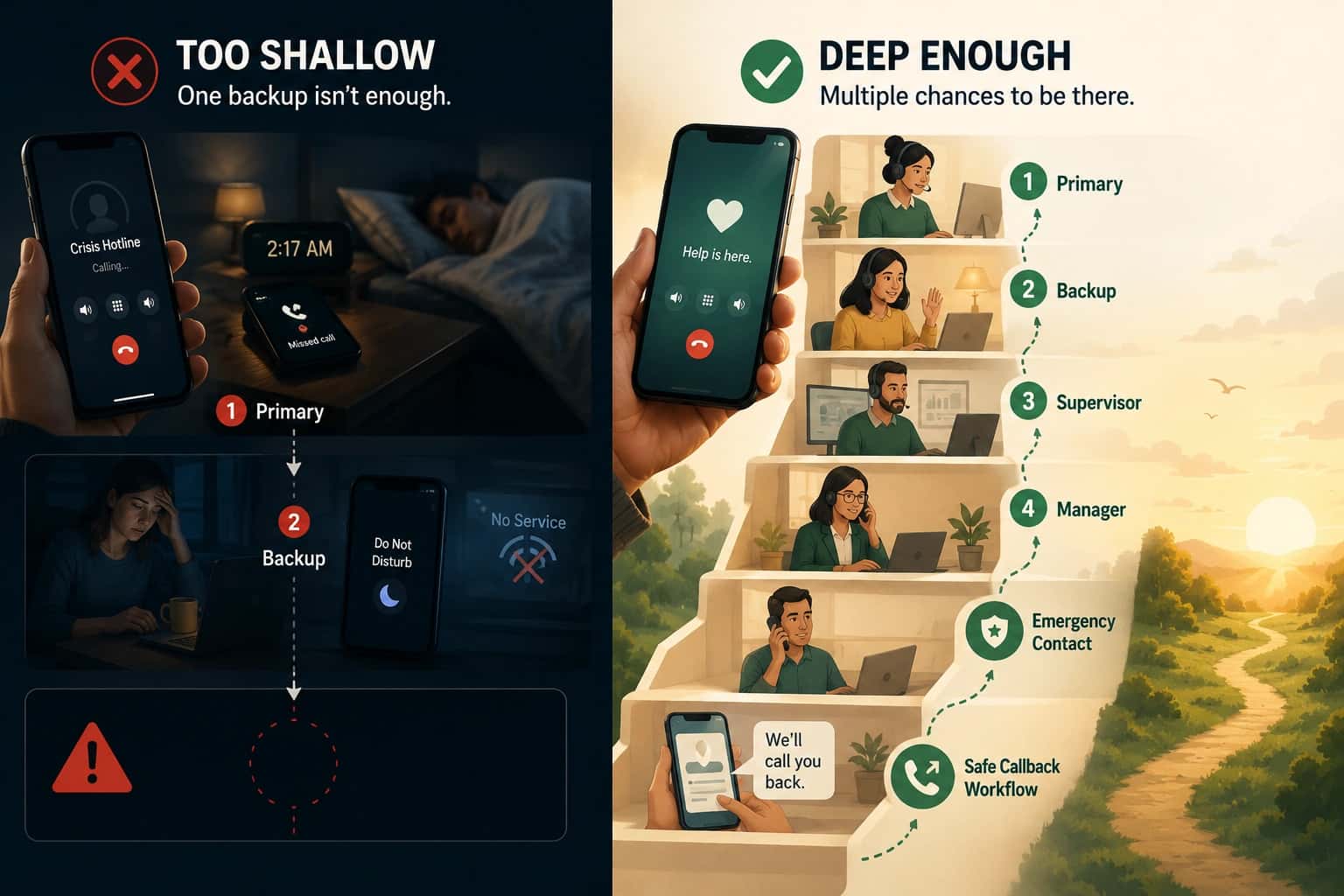
Burnout often stems from routing defaults that concentrate calls on the most reachable people. The call routing workload guide explains how to redesign fallbacks and add visibility to prevent this pattern.
Reward mechanisms
Make sure employees know their hard work is seen and valued. Give regular positive feedback and acknowledge achievements that might go unnoticed. Highlight successes, not just areas for improvement. Celebrating milestones boosts morale and satisfaction.
Cultivating Supportive Organizational Culture

Fostering Open Communication
Always be on the lookout for warning signs. Strive to build a culture where employees are welcome to voice their concerns – for example, you can have regular check-ins and one-on-one conversations. This can also help establish trust between leaders and employees and promote honesty
Encouraging Self-Care
In a sector based on giving, employees need to remember to take proper care of themselves too. Non-profit organizations can establish a wellness program for all employees to promote physical, mental, and emotional health. You can also set up a wellness group to foster sharing and mutual support. Seek people’s feedback on what they need to recharge and get inspired as well – perhaps organizing regular team dinners or picnics or offering an additional day off.
-
Promoting Work-Life Balance: Have policies that set clear boundaries between staff’s professional responsibilities and personal life. Encourage employees to use their vacation days and don’t forget to set a good example by taking yours. Other steps in this direction include encouraging regular breaks at work, lunches not spent at the work desk, or email-free holidays.
-
Addressing peak periods: While non-profit work is demanding all year round, there can be times that are more frenzied than others. For example, the start of the new year when goals are reset and morale plummets after a hectic year’s end. Make sure you offer additional support during such times, e.g. a new year mental health stipend allowing employees to reimburse massages, yoga classes, a mental health app, etc.
-
Managing stress: Stress management programs help build resilience and give employees practical tools to reduce stress. You can organize workshops to teach coping mechanisms such as mindfulness and meditation. Provide designated spaces for relaxation.
Conclusion
Burnout has created a pressing concern for employees’ mental and physical health. Non-profit workers are subject to daily pressure from workload, deadlines, stakeholders, and more. It’s important to remember that regardless of how fulfilling a job may be and how noble long working hours may seem, it’s important to maintain a good balance and protect every organization’s most precious resource – its staff.
We hope that the guidelines above have provided helpful tips on how to prevent burnout in a call center or other people-oriented services. There are a lot more ways to expand these ideas – make sure to experiment to find what works best for you and your team. With the right mechanisms in place, you can support your staff’s general well-being and eliminate burnout before it even happens. CONTACT OUR TEAM
Helpline Software for On-call Teams and Hotlines
The official Helpline Software platform replaces a rotating on-call phone handoff with a stable phone number and call routing software for maintenance technicians.
Helpline Software can run an on call phone service where the schedule controls the direct call, and an unanswered attempt can move to fallback instead of a hang up with no voicemail option.