Most on-call demos are designed to make the tool look calm. You see a clean schedule, a tidy escalation chain, and a happy path call that routes correctly.
Then you buy it, and reality shows up. Someone swaps coverage at night. The primary is already on another call. A phone is unreachable for ten minutes. The caller hears voicemail. Nobody can prove what happened.
These on-call software demo questions are designed for internal support and field operations teams. The goal is to force the vendor to show you failure paths and evidence, not labels.
If you want a baseline for what your workflow should do before you evaluate vendors, start with the requirements for an on-call phone system.
If your team is aligning on scope first, start with the definition of an on-call support team. These questions assume you are routing urgent inbound calls, not just paging responders.
If you want a broader map of how the pieces fit together, the on-call support teams hub covers scheduling, escalation, and reporting as one workflow.
What to ask before the demo (so you do not waste it)
Before you get on the call, send the vendor three things:
- One real scenario: “Swap approved at 11pm, then an urgent call comes in.”
- One failure mode: “Primary is busy and does not answer. What happens next?”
- One evidence requirement: “After a miss, we need to explain who was tried and why it moved on.”
If the vendor cannot run your scenario in the demo environment, that is already a signal.
Demo questions that expose schedule drift
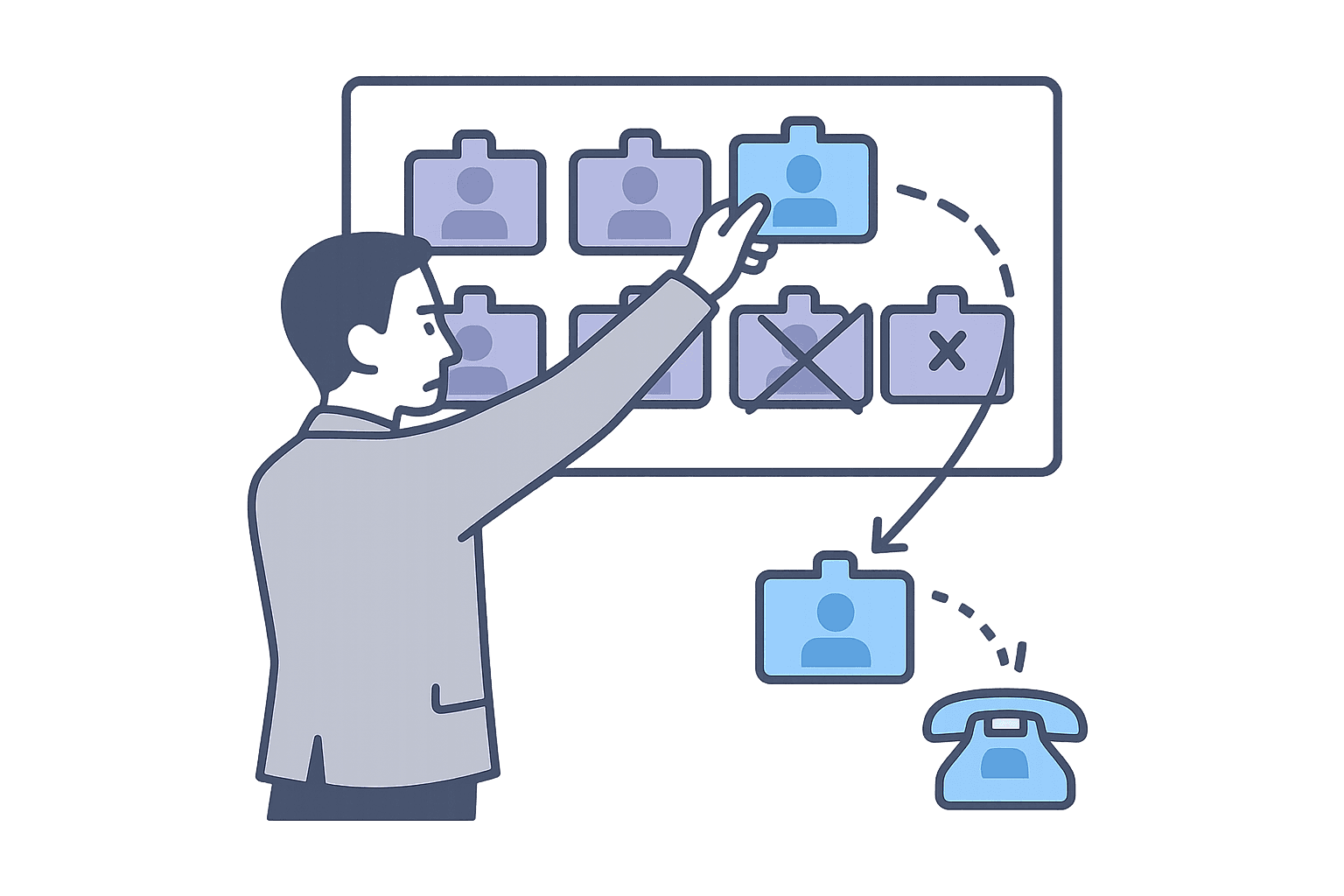
Schedule drift is the most common “it should work” failure in rotating coverage. These questions force the demo to prove that schedule changes actually change behavior.
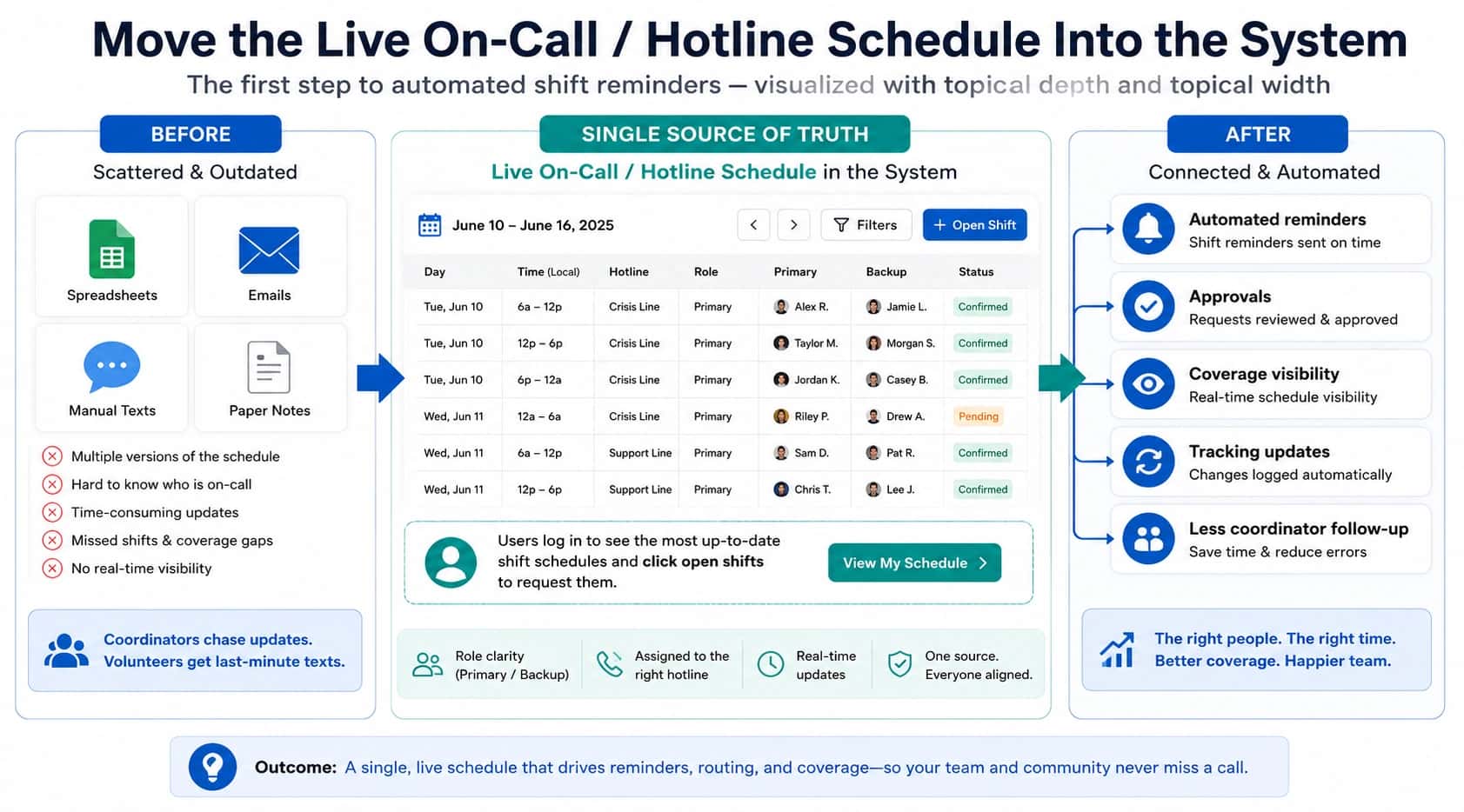
- Show me the source of truth. Where do you update coverage so routing changes automatically?
- Approve a swap live. After the swap, place a test call. Who does it attempt first?
- Prove the old person does not get called. Show the log evidence, not just the UI.
- What is the propagation time? If coverage changes, how quickly does the inbound line behavior change?
- What happens at a shift boundary? Demonstrate a handoff window, not a single static shift.
Demo questions that expose escalation gaps
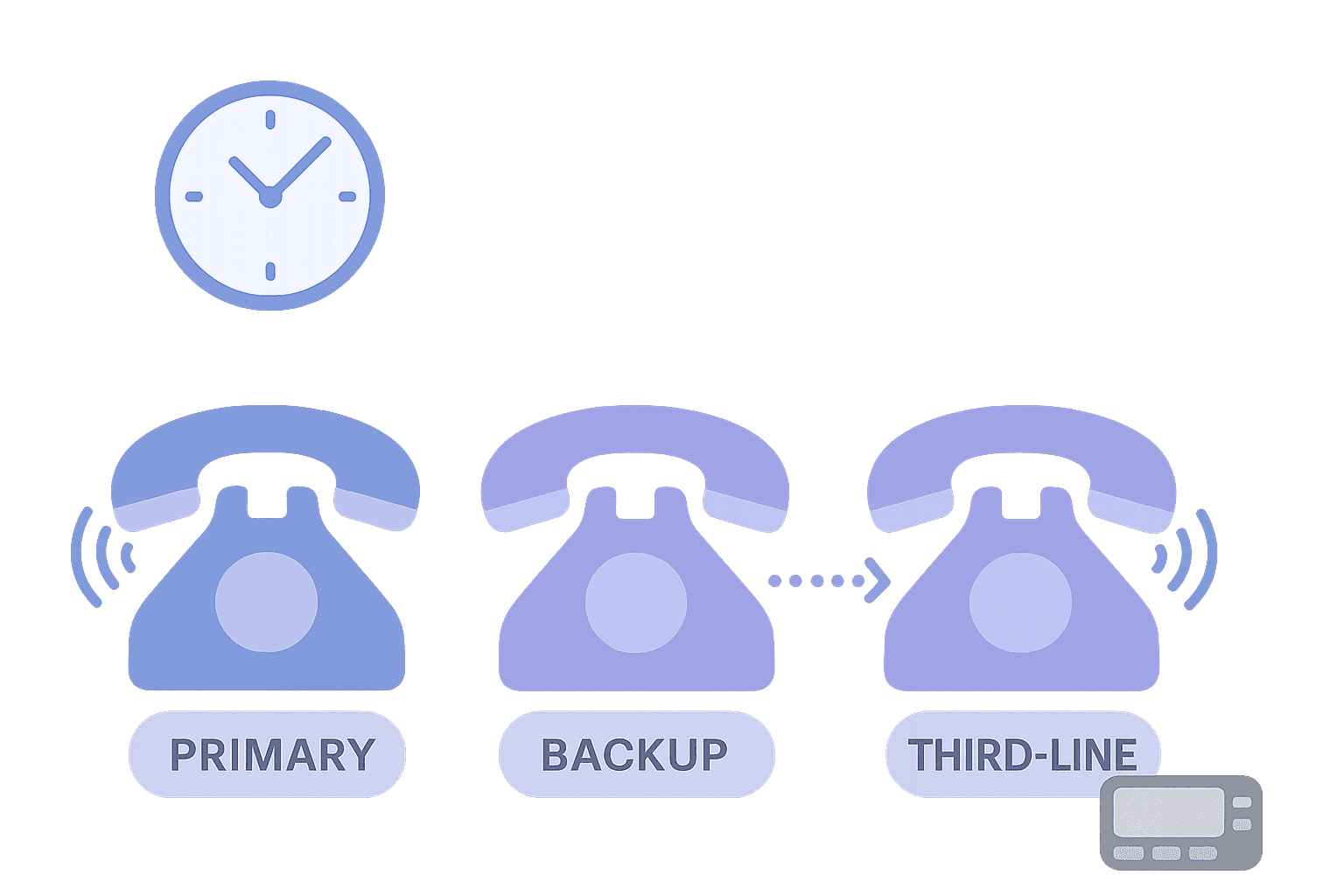
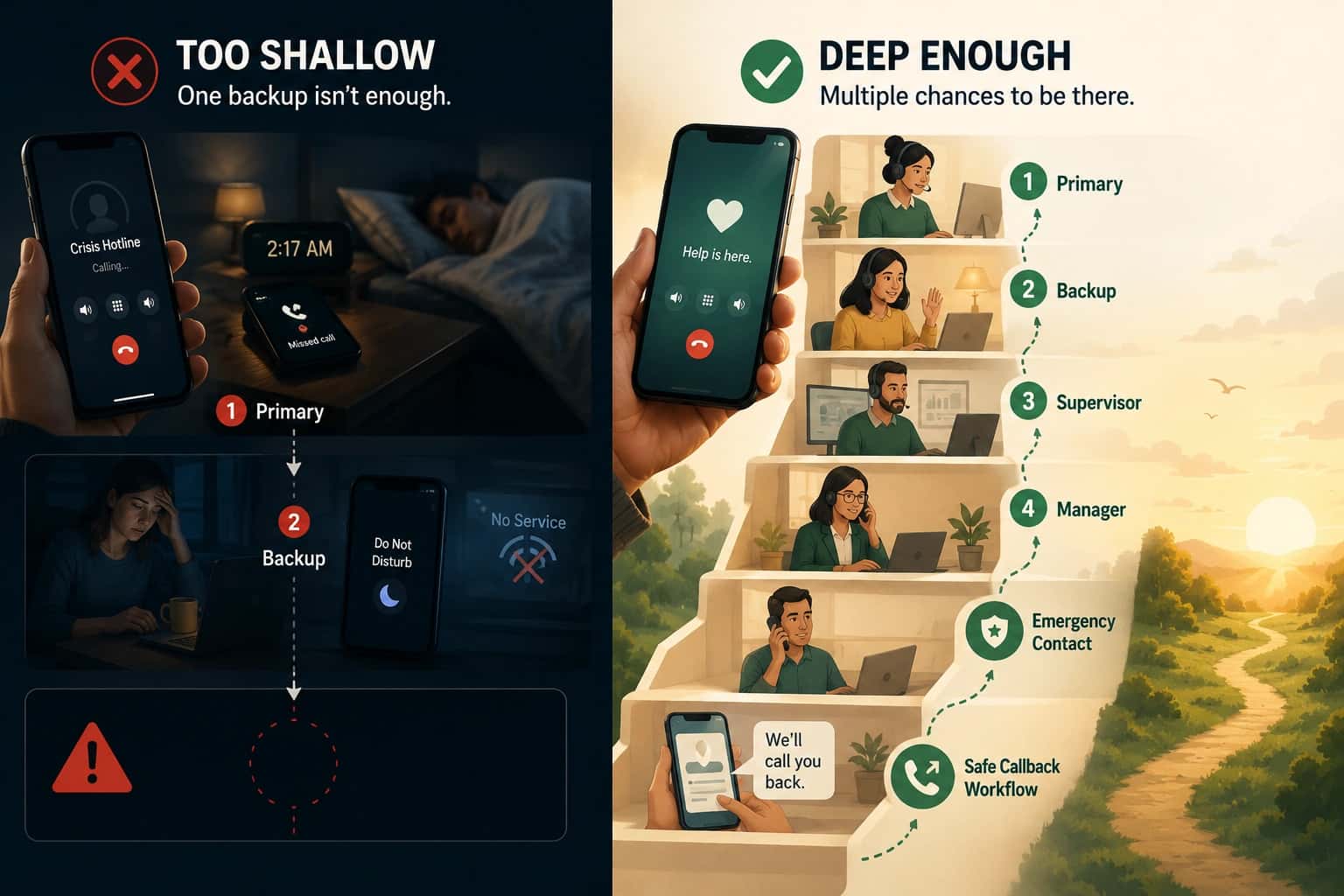
Escalation is only useful if it is fast enough to matter, and if it does not silently die when someone is busy or unreachable.
- What happens when the primary is busy? Show whether the system detects it and routes to backup.
- What happens when the primary is unreachable? Show how it distinguishes unreachable from no-answer.
- Show timing controls. How do you set timeouts, and how do you prevent slow defaults?
- Show “nobody answers” handling. What is the defined outcome when live connection fails?
- Show ownership. Who gets notified when escalation fails, and what is the operational next step?
Demo questions that expose evidence gaps (audit trail)
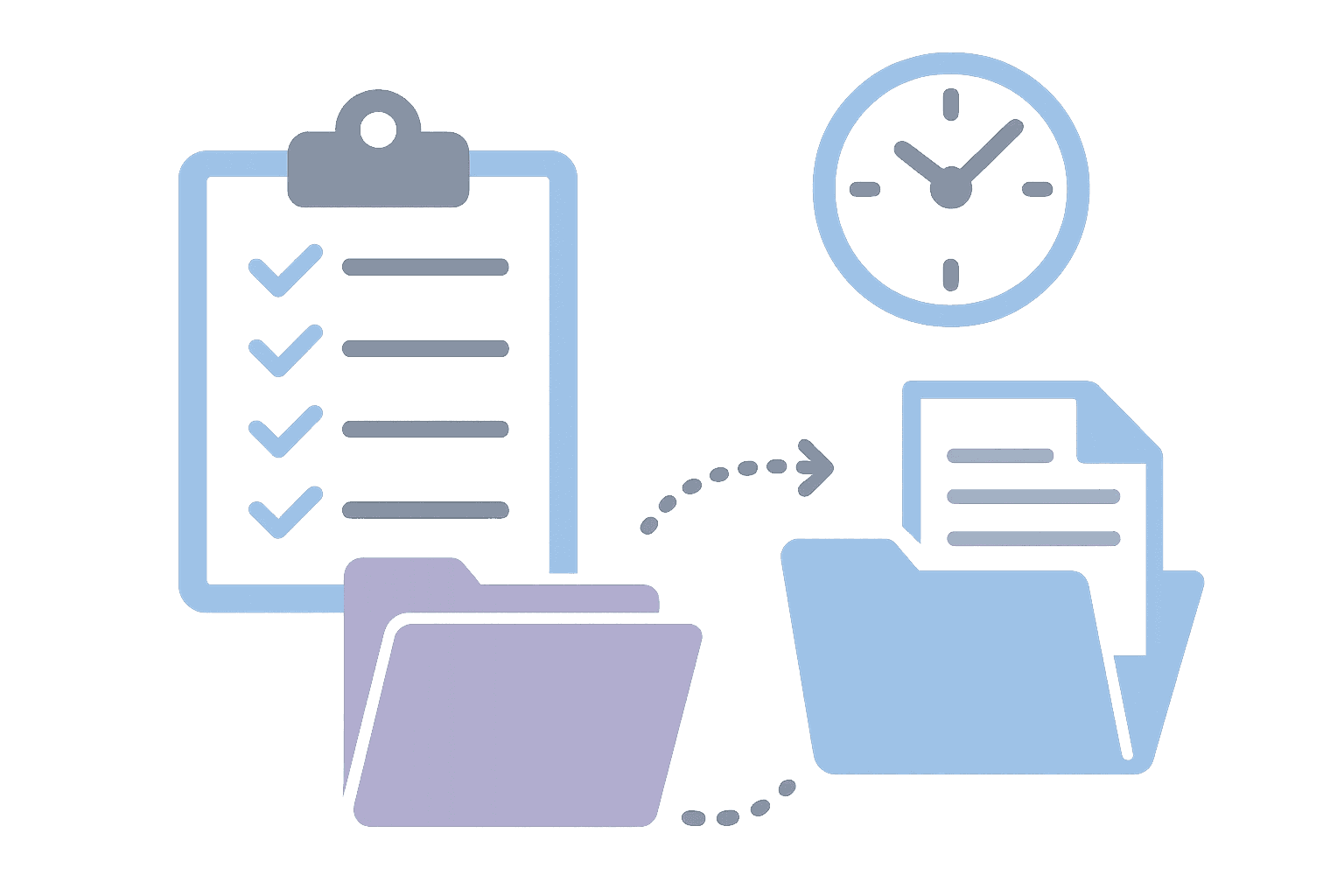
This is where most demos dodge. Vendors will say “we have logs” and then show a generic activity list.
Ask for one miss and one successful escalation, then ask the vendor to prove these are true from the record:
- Who was attempted, in order
- When each attempt happened
- Why the call moved on (busy, unreachable, no-answer, timeout)
- What the final outcome was
If the vendor cannot produce those answers quickly, you will be guessing after the first real miss.
This is also a good moment to ask for a guided failure-path demo. If you want help building the test script, talk to an expert.
Demo questions for real-world exceptions (busy, unreachable, travel)
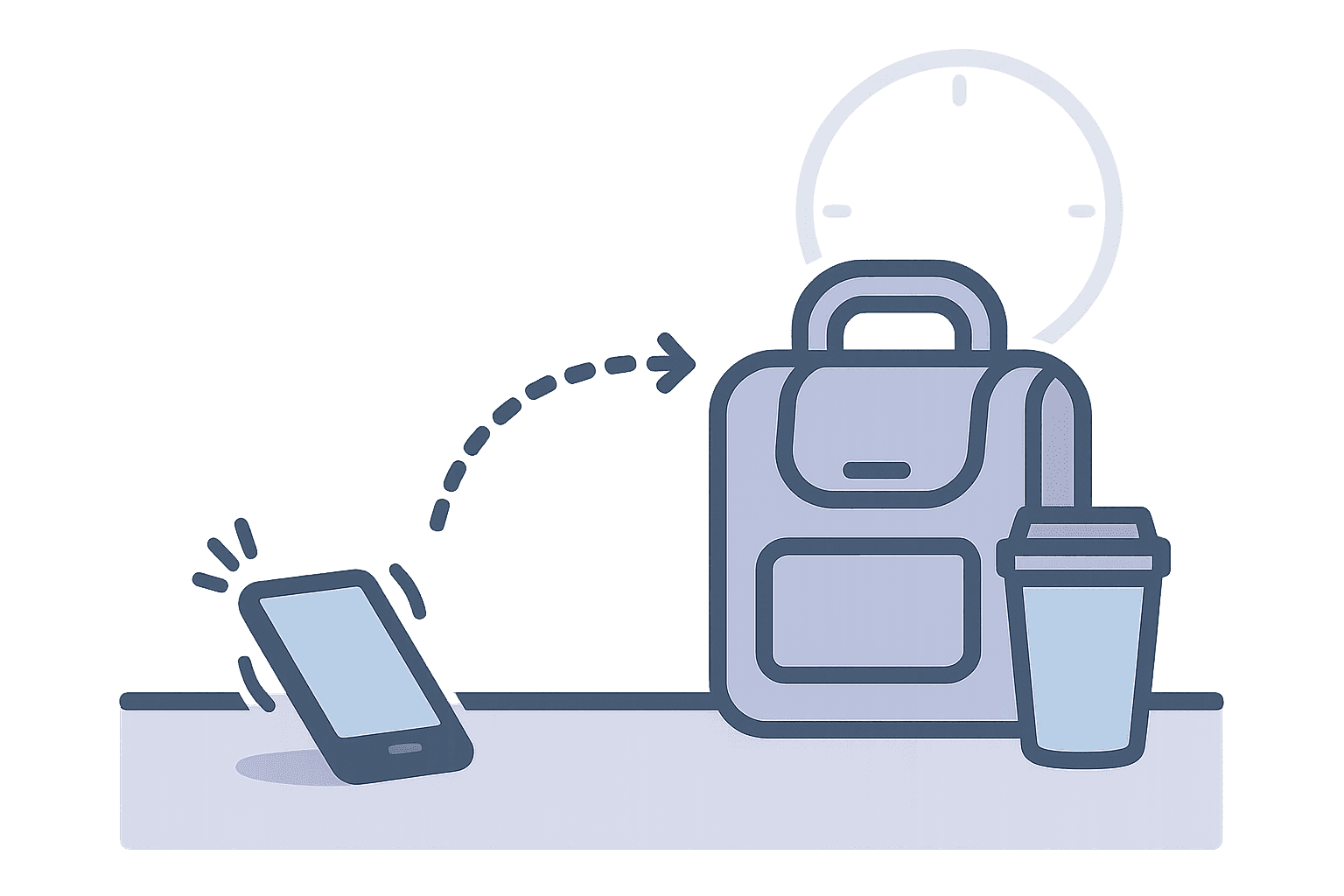
These are the everyday conditions that make routing “look fine” until it is not.
- Show how exceptions are handled mid-shift. Someone steps away. What changes, and how fast?
- Show what happens when phones behave inconsistently. How does the system recover when a device does not alert?
- Show how you avoid repeated attempts to a dead destination. Does the system keep trying the same unreachable device?
- Show how you review the last five misses. Not as a dashboard metric, as an evidence-based story.
How to score the demo (simple rubric)

You do not need a complex scoring model. You need to know whether the tool will hold up under the failure paths you actually have.
Use a 0 to 2 scoring for each category:
- Schedule truth: Does a swap immediately change call handling behavior?
- Fallback behavior: Does escalation work when people are busy or unreachable?
- Evidence: Can you explain what happened after a miss without guessing?
- Operability: Can a support lead run the workflow without a specialized admin?
If you want a more detailed requirements checklist, the call routing software requirements page is a good reference for what to write down before you evaluate tools.
If the demo keeps circling back to UI, redirect it to the two questions that decide whether the system will hold up: do swaps cause schedule drift (on-call scheduling software), and can you prove what happened with an on-call management software audit trail.
Getting started
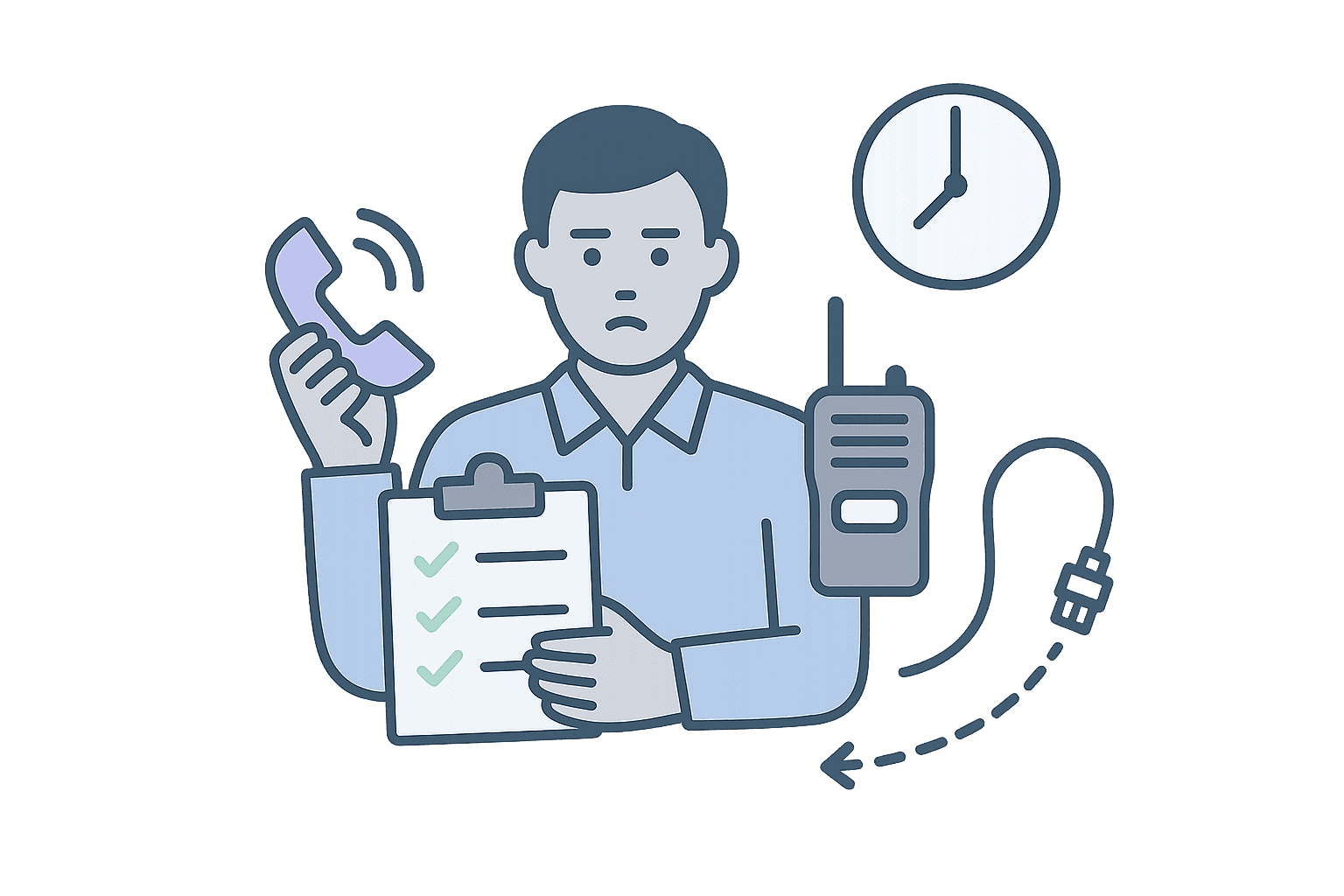
How to run a useful on-call software demo
- Bring a real scenario: Use a swap, a busy primary, and an unreachable device as your test case.
- Force the failure path: Ask the vendor to demonstrate escalation behavior under stress, not only the happy path.
- Require evidence: Make the vendor answer who was tried, when, and why the call moved on.
- Score the outcome: Rate schedule truth, fallback behavior, evidence, and operability.
- Decide based on reality: If the demo cannot reproduce your failure paths, the tool will not fix them in production.