A caller needs help in Spanish. The system routes to a Spanish-speaking advocate. The call connects in seconds.
A different caller needs help with a "complex case." The system looks for someone with "complex case experience." Nobody has that skill assigned. The call bounces to a general queue, waits, and eventually gets answered by someone who has to transfer it anyway.
The first routing decision worked because "Spanish-speaking" is observable: you can verify it, maintain it, and define a fallback. The second decision failed because "complex case experience" is subjective: nobody knows who qualifies, the profiles are out of date, and there is no fallback path.
That is the difference between skills-based routing that works and skills-based routing that creates chaos. This page explains how to define skills that stay maintainable. The full framework is in call routing solutions.
What skills-based routing is
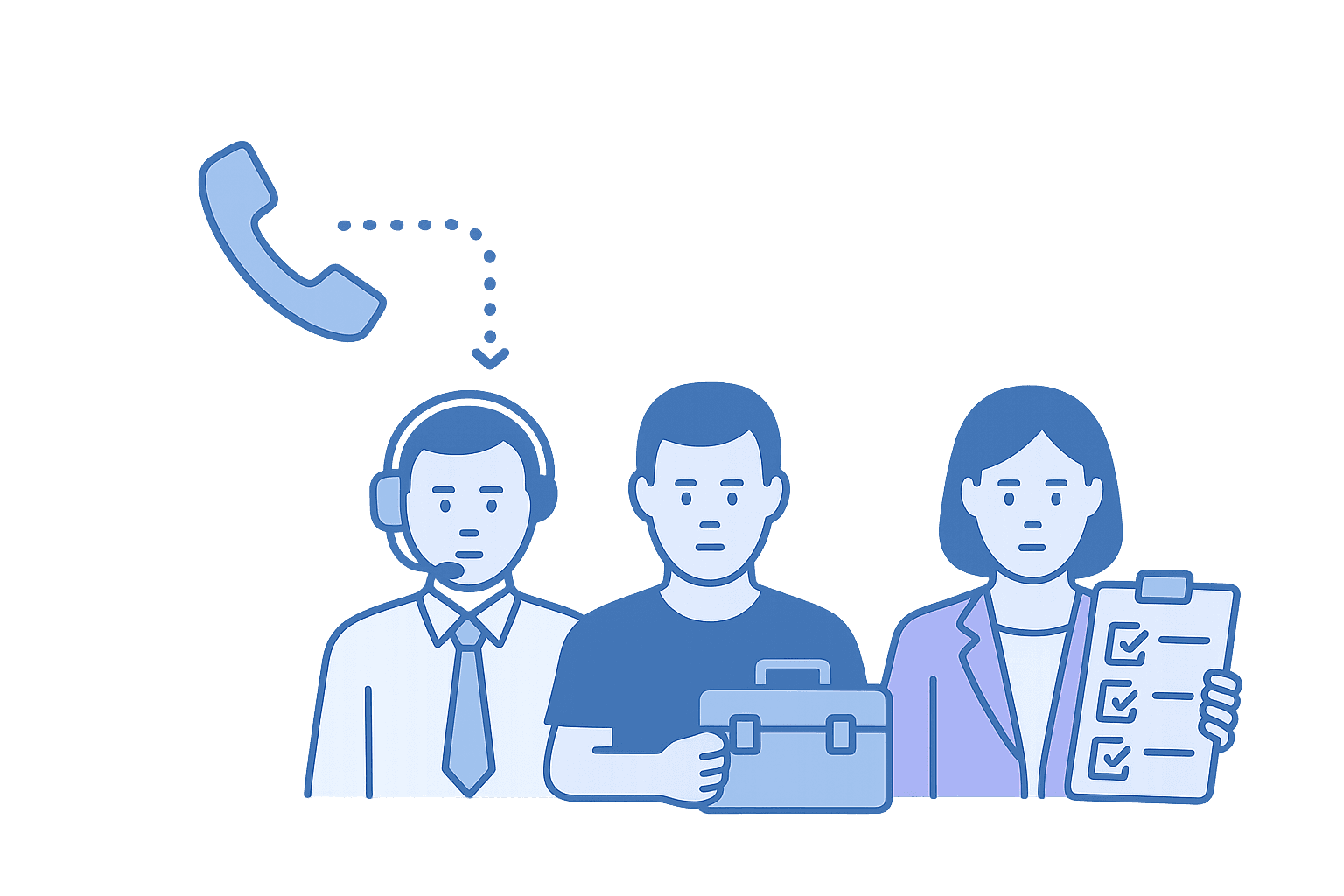
Skills-based routing matches callers to the people best equipped to help them based on defined attributes. The idea is simple: instead of routing to whoever is available, route to whoever has the right skill.
The promise is fewer transfers, faster resolution, and better outcomes. The reality depends entirely on how you define "skill."
The rule: skills must be observable

A skill is safe to route on when you can answer three questions with confidence:
- How do you verify the skill? (certification, test, role assignment)
- How do you keep it current? (expiration dates, regular audits, automatic updates)
- What happens when the skill is not available? (defined fallback)
If you cannot answer all three, the skill will create problems as soon as reality changes.
Examples of observable skills
- Language fluency: verified by hiring or testing, maintained automatically, fallback to default language pool
- Certification: verified by credential, maintained by expiration date, fallback to supervisor or queue
- Escalation authority: defined by role, maintained by org chart, fallback to manager chain
- Specialized training: verified by completion record, maintained by training system, fallback to general pool
Non-examples (skills that break)
- "Best person for this type of call": who decides? How do you measure "best"?
- "Most helpful": subjective and unmaintainable
- "Senior staff": unless "senior" is a defined role with clear criteria, this becomes politics
- "Experienced with difficult situations": impossible to verify or audit
The test is simple: if you have to ask someone's opinion to determine whether someone has the skill, it is not a safe routing signal.
The real cost: skills sprawl

Skills sprawl happens when teams keep adding skills without removing old ones. It starts with a few clear categories (language, department, escalation tier). Then someone requests "VIP handling." Then "new caller support." Then "billing disputes." Then "technical issues tier 2."
Each skill sounds reasonable in isolation. Together, they create a matrix that nobody can maintain.
What skills sprawl looks like:
- Dozens of skills, most of which have not been updated in months
- Staff with conflicting skill assignments (someone is "Spanish" and "Portuguese" but has not spoken Portuguese in years)
- Calls routed to skills that no longer have anyone assigned
- Troubleshooting becomes impossible because nobody knows which skill actually triggered the routing
Why it happens:
- Adding skills is easy. Removing them requires auditing and decisions.
- New use cases get new skills instead of reusing existing ones.
- Nobody owns the skill taxonomy.
How to prevent it:
- Assign ownership. One person or team is responsible for the skill list.
- Set a maintenance cadence. Review skills quarterly. Remove anything that has not been used.
- Require a fallback before adding a skill. If you cannot define what happens when the skill is unavailable, do not add it.
Fallback design
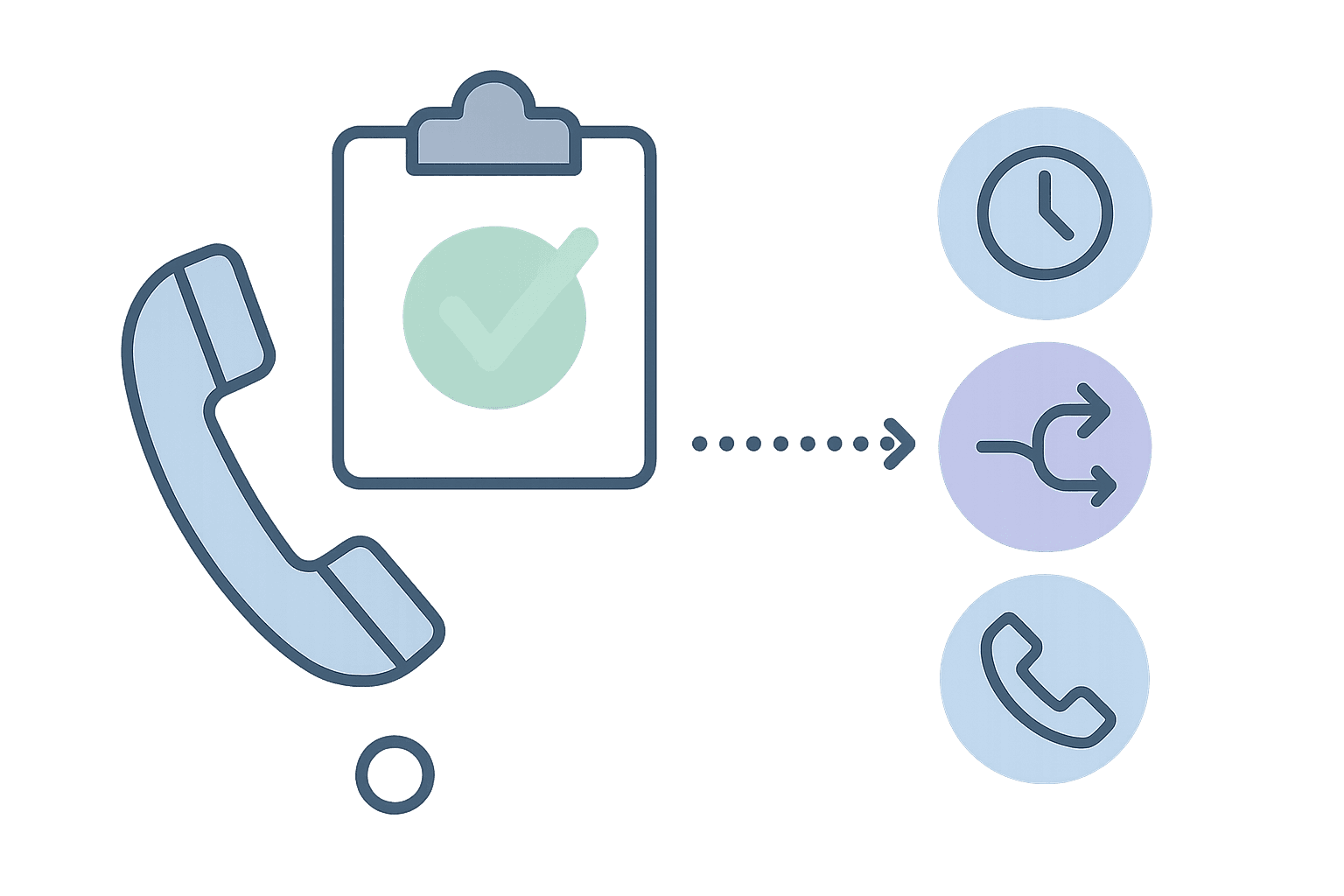
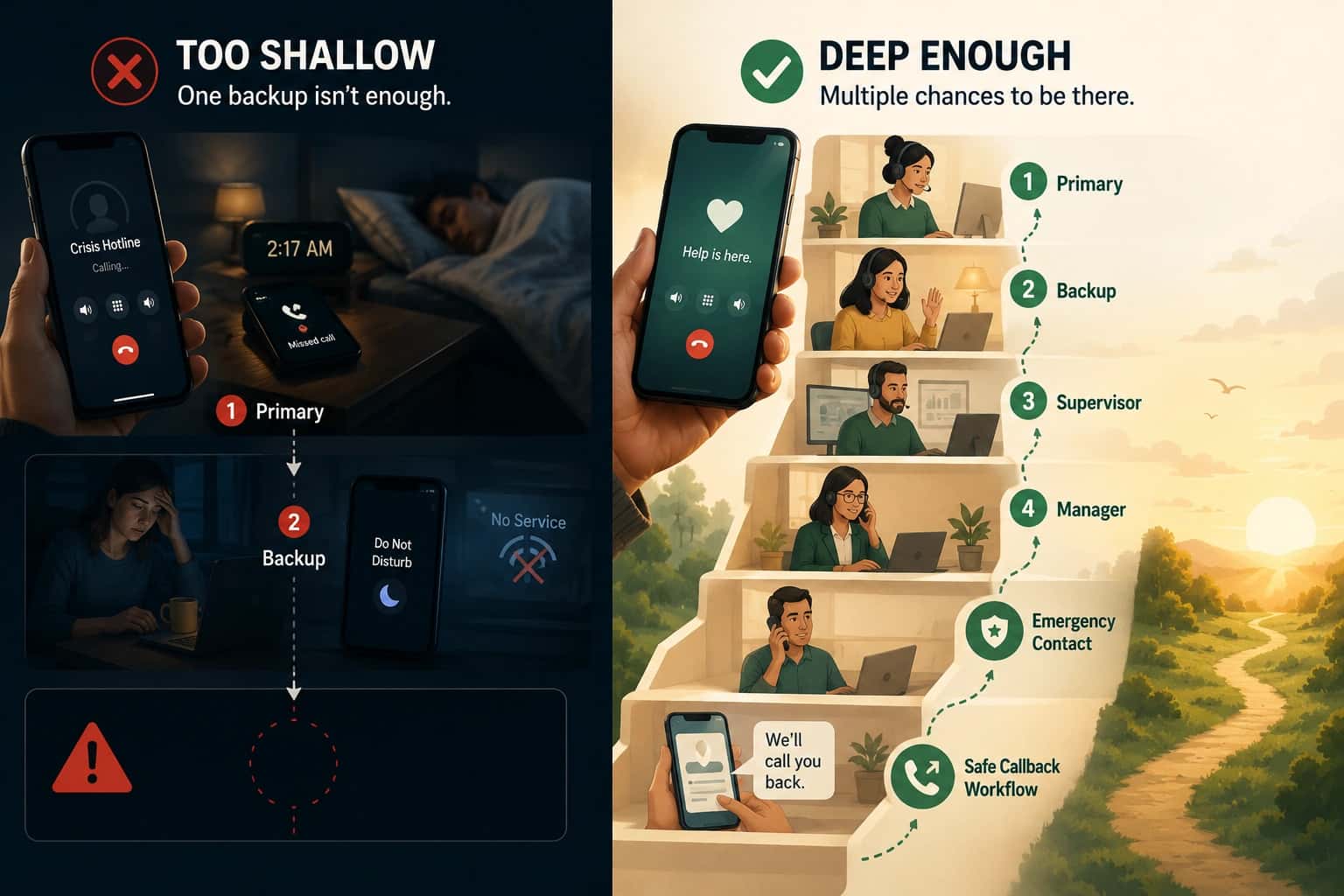
The most important part of skills-based routing is not the skill matching. It is the fallback.
When the skill is not available, you have three options:
1. Wait: Keep the caller in queue until someone with the skill becomes available. This works for low-urgency calls but creates abandonment under load.
2. Reroute: Send the caller to a different pool (general support, supervisor, backup team). This gets the call answered but may require a transfer later.
3. Capture and follow up: If live connection is not possible, capture a callback request and route it to someone with the skill when they are available. This preserves the outcome without forcing the caller to wait.
The right choice depends on urgency and availability. For high-stakes calls, waiting is often not acceptable. For routine calls, rerouting may create more transfers than it saves.
How to write skill requirements
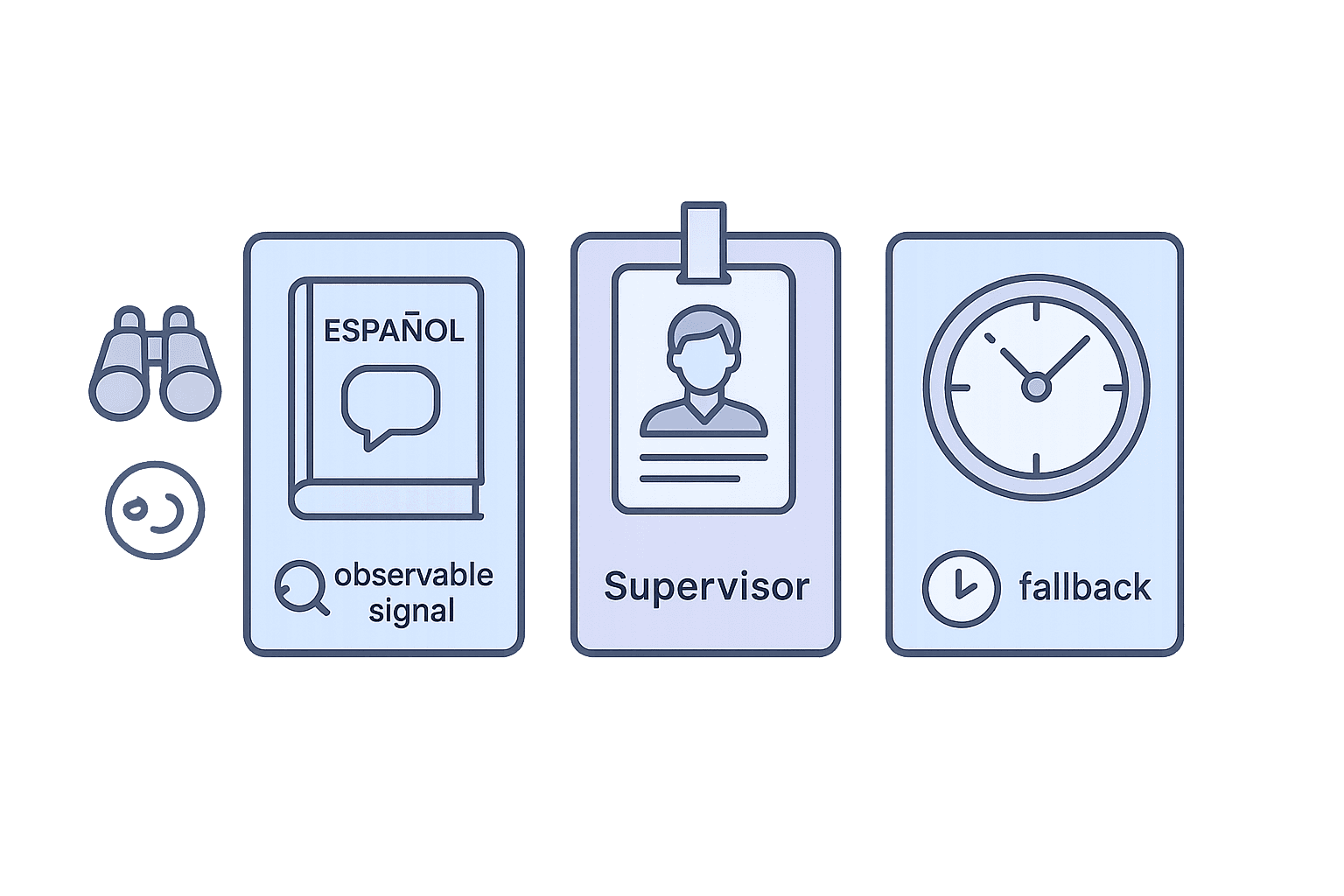
Before you configure skills in any system, write down the requirements. This table format makes it easy to audit and maintain.
| Skill | Observable signal | Fallback | Audit requirement |
|---|---|---|---|
| Spanish | Language certification or bilingual hire flag | Route to English pool with callback option | Log which skill was matched and which fallback triggered |
| Supervisor | Role assignment in HR system | Escalate to manager or capture callback | Log escalation chain and outcome |
| After-hours tier 1 | On-call schedule assignment | Escalate to tier 2 after 30 seconds | Log who was tried, how long, and what happened |
This format forces you to define the verification method, fallback, and audit trail before you build anything.
Getting started
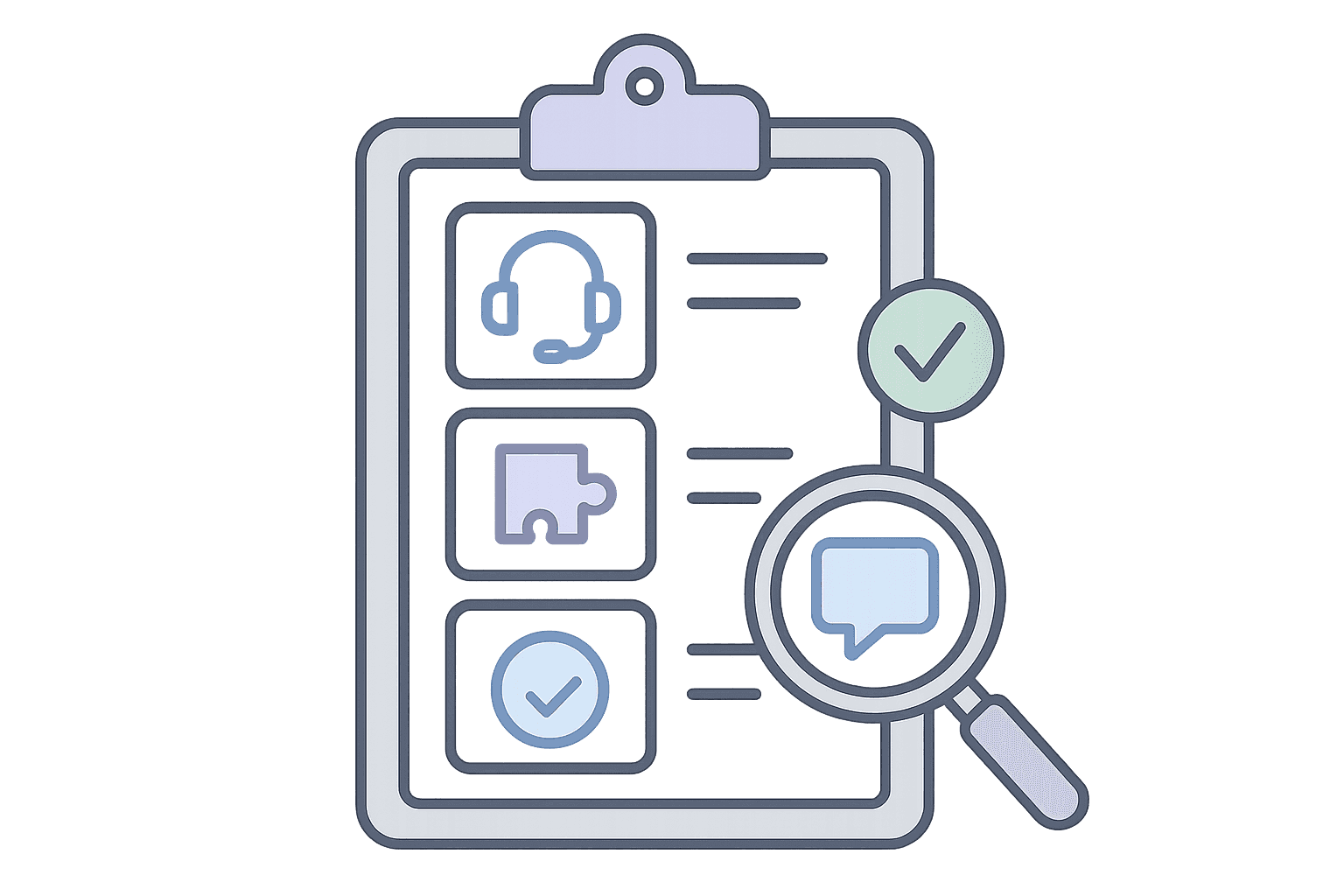
How to define skills that stay maintainable
- List current skills: Write down every skill in your system today. Note which ones are actively used and which are stale.
- Apply the observable test: For each skill, can you verify it, maintain it, and define a fallback? Remove or consolidate skills that fail.
- Assign ownership: Decide who is responsible for the skill list. Set a quarterly review cadence.
- Define fallbacks explicitly: For every skill, write down what happens when nobody is available.
- Turn it into requirements: Use call routing software requirements to evaluate whether your system supports skill maintenance and fallback logic.
Want us to follow up?
The full framework for choosing reliable routing is in call routing solutions.