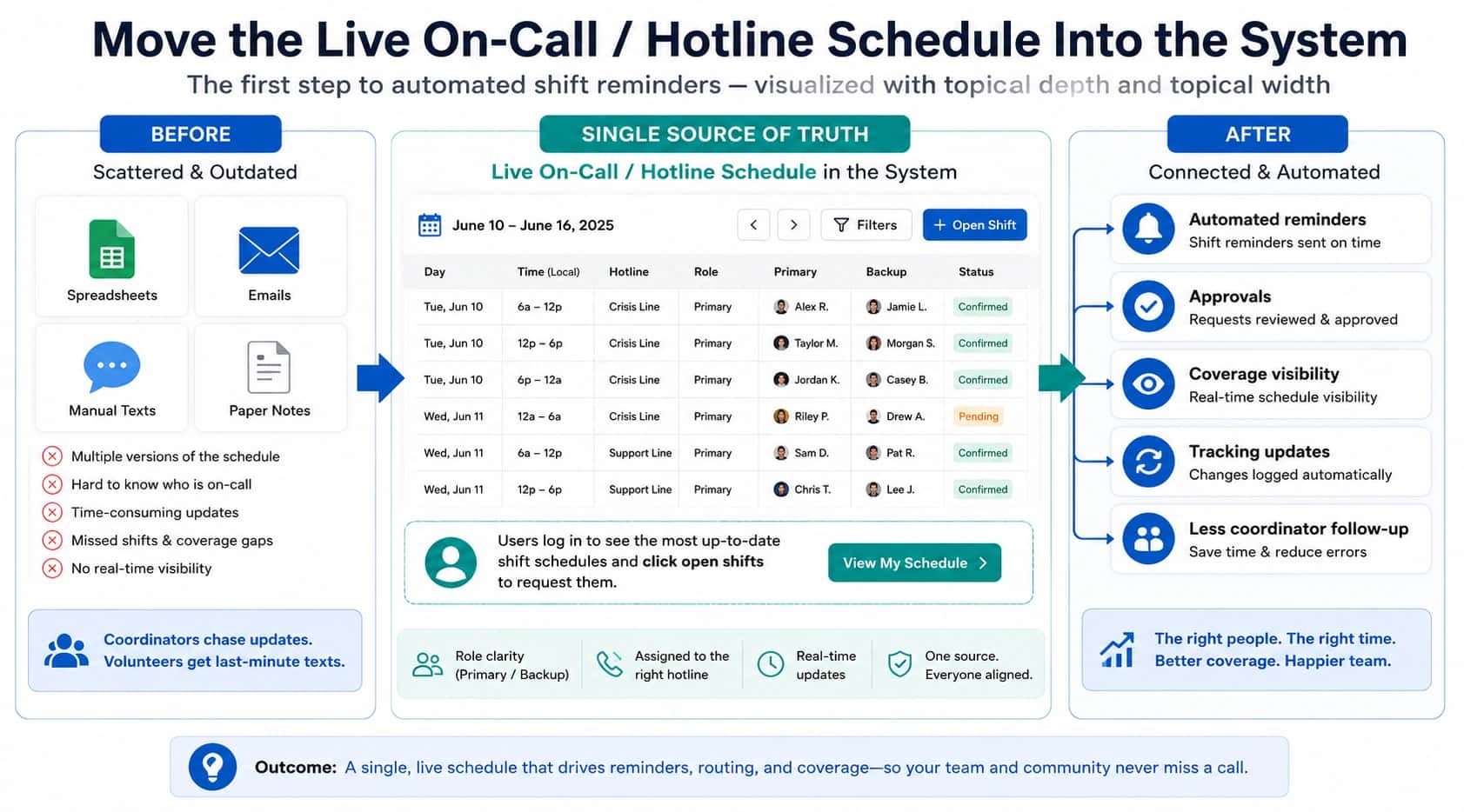
It is 7:15am. The night shift ended at 7:00. The day shift person swapped with a colleague yesterday. The swap was approved in the scheduling app. The calls are still going to the night shift person's phone.
Fifteen minutes later, someone notices. By then, three calls went to voicemail and one caller gave up entirely.
That is schedule drift. The schedule changed, but the routing did not. In teams with rotating coverage, swaps, and last-minute changes, drift is not a rare failure. It is the default failure mode.
This page explains how to prevent it. The full framework is in call routing solutions.
The problem: schedules change, routing stays the same
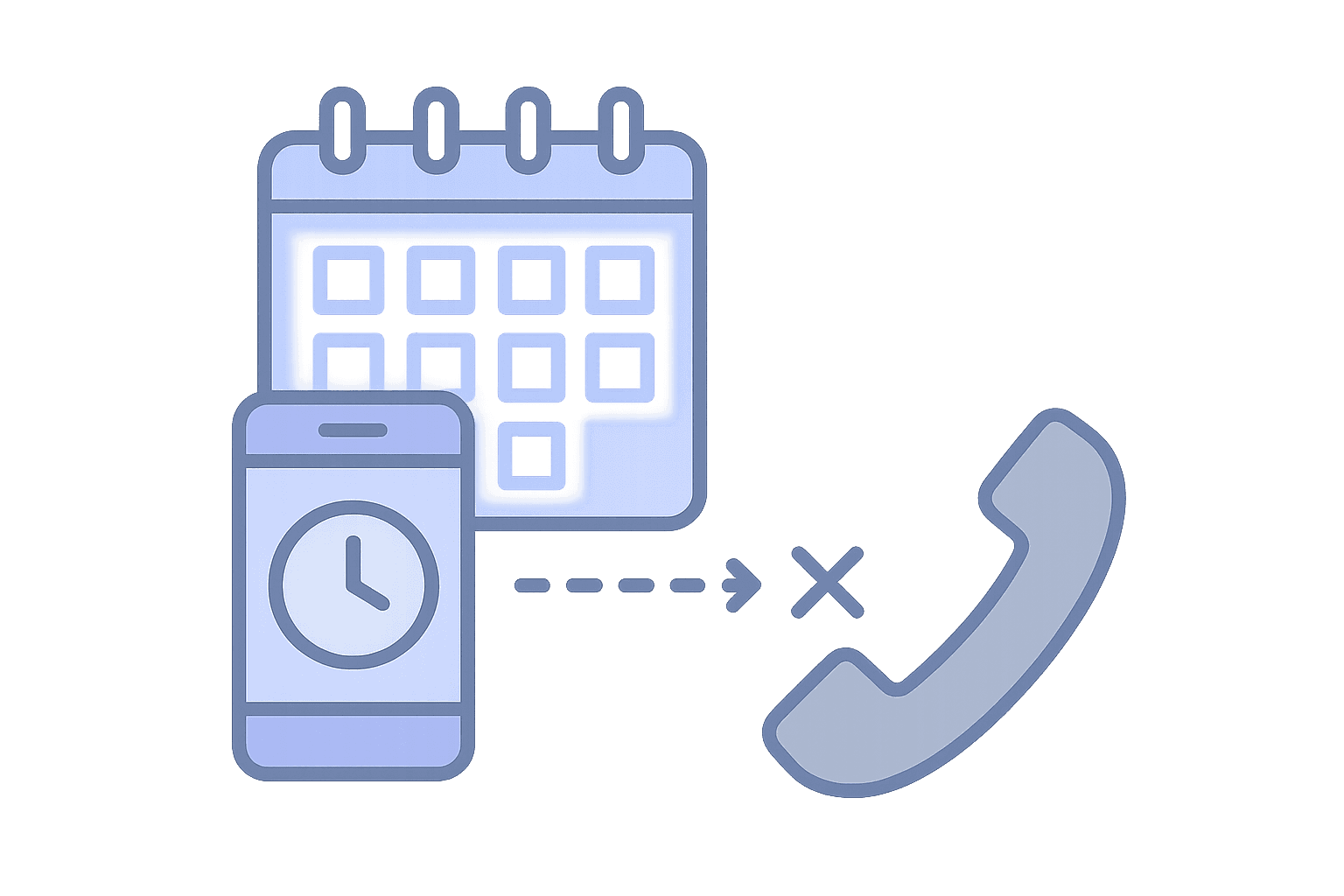
Rotating coverage means constant change. People swap shifts. Someone calls out sick. A holiday creates a gap. Travel puts someone in a different time zone. These changes are normal. The question is whether routing keeps up.
In most setups, it does not. The schedule lives in one system (a calendar, a spreadsheet, a scheduling app). The routing lives in another system (the phone platform, the forwarding rules). Keeping them in sync requires someone to remember to update both. When that does not happen, calls go to the wrong person.
The failure is invisible until a caller complains or a log reveals the mismatch. By then, the damage is done.
What schedule-based routing is
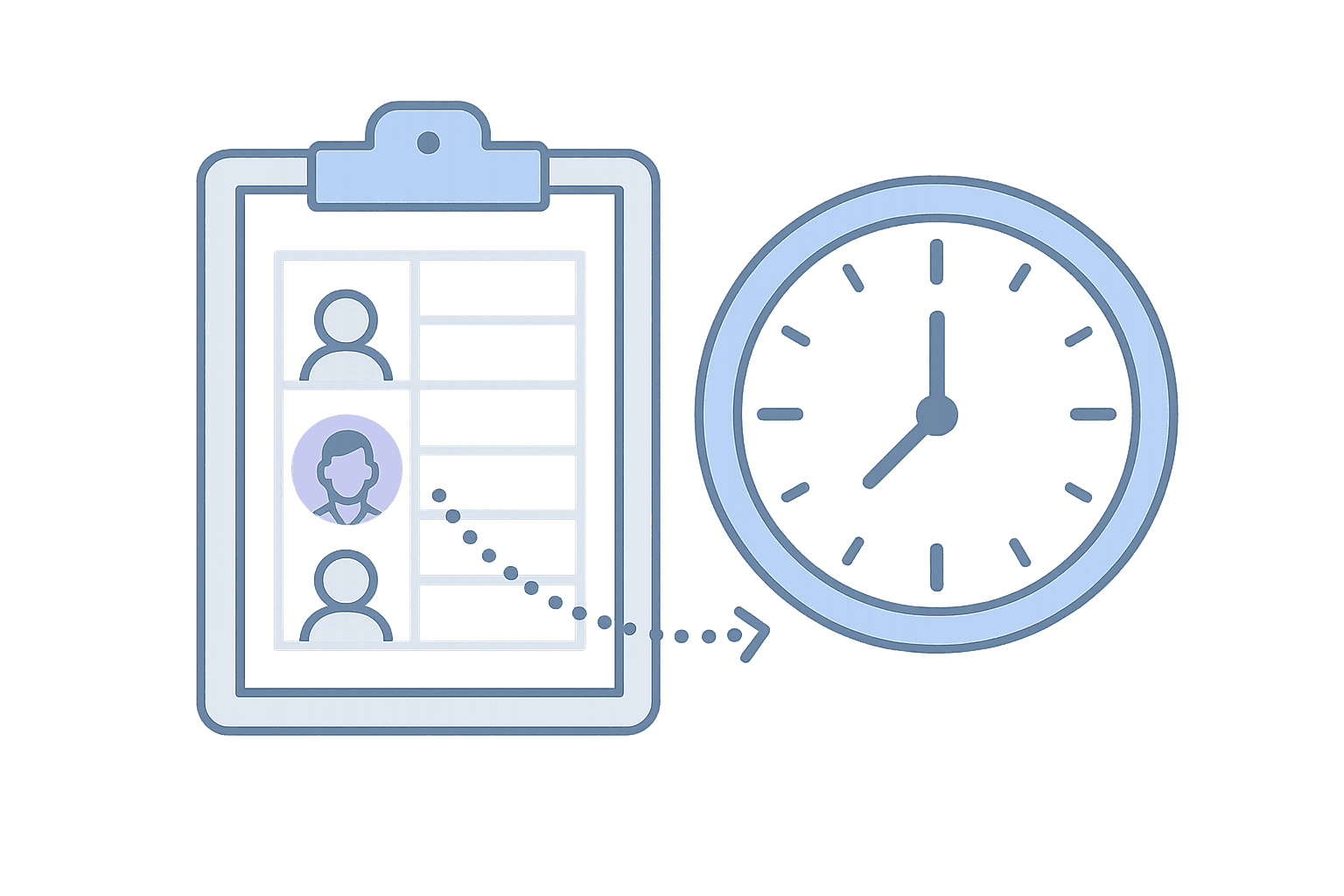
Schedule-based routing reads the schedule directly and uses it to decide where calls go. If the schedule says "Maria is on-call from 7am to 3pm," routing sends calls to Maria during that window. If Maria swaps with Alex and the schedule is updated, routing sends calls to Alex.
The key word is "directly." If routing reads from a copy of the schedule, or from a separate configuration that someone has to manually update, drift is still possible. True schedule-based routing treats the schedule as the single source of truth.
What "single source of truth" means in practice
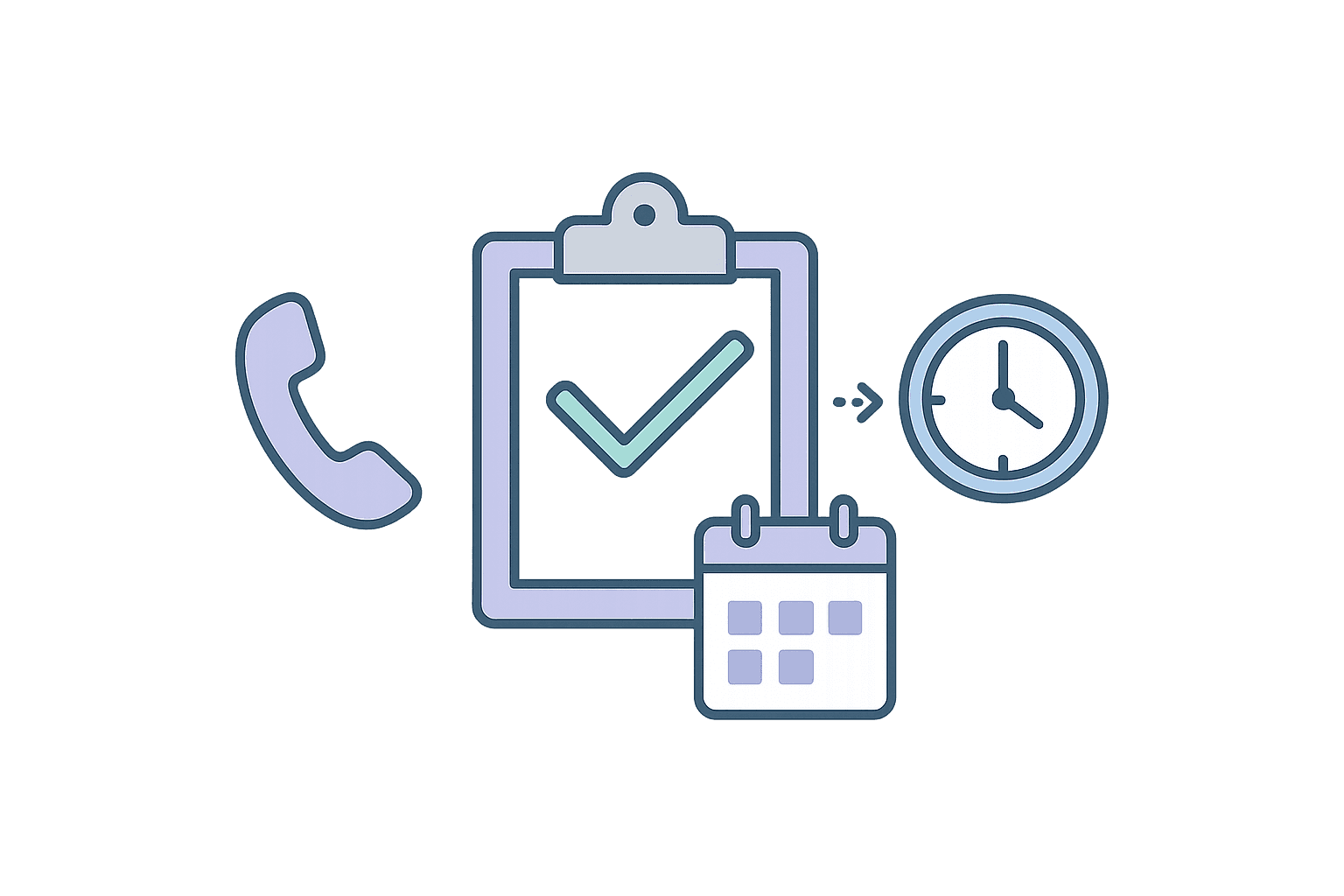
"Single source of truth" is a phrase that gets thrown around a lot. Here is what it actually requires:
One place to update: When coverage changes, there should be exactly one place to make that change. If updating a swap requires editing the schedule and then separately editing forwarding rules, you have two sources of truth and drift is inevitable.
Immediate propagation: When the schedule changes, routing should update within seconds. If changes take hours to propagate (or require a manual sync), calls will go to the wrong place during the gap.
Clear ownership: Someone owns the schedule. That person (or team) has the authority to approve changes and is accountable for accuracy. If ownership is unclear, nobody fixes drift until it causes a visible failure.
Auditability: You should be able to answer "who was supposed to be on-call when this call arrived?" If you cannot, troubleshooting after a miss becomes guesswork.
Failure modes unique to rotating coverage
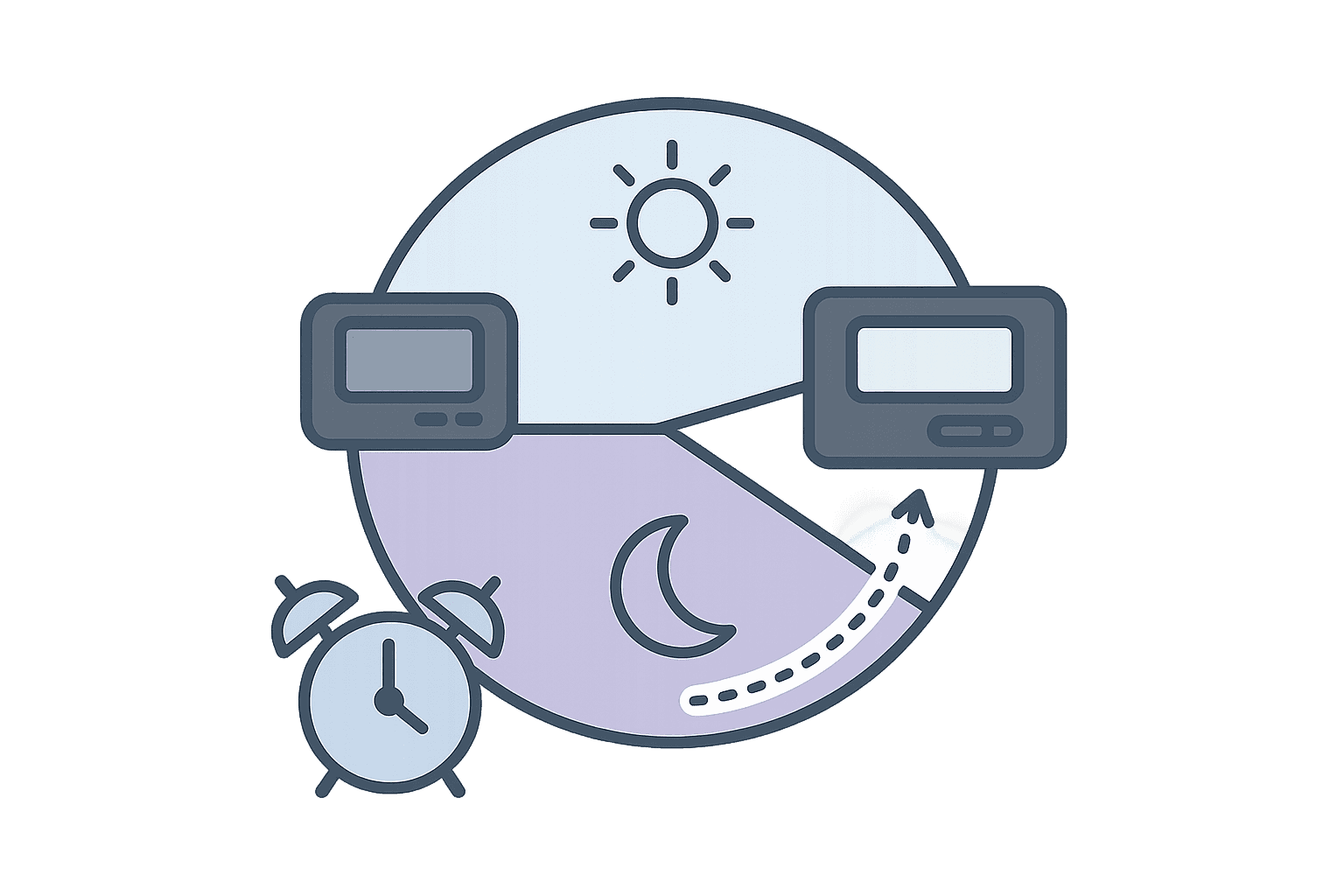
Schedule-based routing has its own failure patterns that do not exist in static setups.
Last-minute changes
Someone calls out sick at 6:45am. The shift starts at 7:00am. Can you update coverage in fifteen minutes, and will routing reflect the change immediately? If the answer is "probably not," you need a faster process or a standing backup rule.
Partial coverage
Not every hour has the same staffing. Overnight might have one person. Peak hours might have five. If routing does not know about capacity (only about "who is assigned"), it will route calls the same way regardless of load.
Unreachable devices during transitions
The night shift person puts their phone on Do Not Disturb at 7:00am. The day shift person is commuting and has spotty reception. Both are "on-call" according to the schedule at different moments, but neither is actually reachable. Routing needs to detect this and escalate.
Uneven load from defaults
If routing always tries the first person on the schedule before escalating, the first person carries disproportionate load. Over time, this creates burnout for the most reachable people while others stay underutilized.
Requirements to write down before you evaluate tools
| Requirement | Why it matters | What breaks without it |
|---|---|---|
| Schedule is the single source of truth | Prevents drift | Calls go to wrong person after swaps and updates |
| Changes propagate immediately | Covers last-minute swaps | Gaps between schedule change and routing change |
| Bulk edits are supported | Real schedules change in batches | Manual entry errors, incomplete updates |
| Fallback for unreachable is defined | Transitions are vulnerable | Calls go nowhere during shift changes |
| Workload distribution is visible | Prevents burnout from defaults | Hidden load concentration |
| Audit trail shows schedule at call time | Enables troubleshooting | "Who was supposed to be on-call?" becomes unanswerable |
Getting started
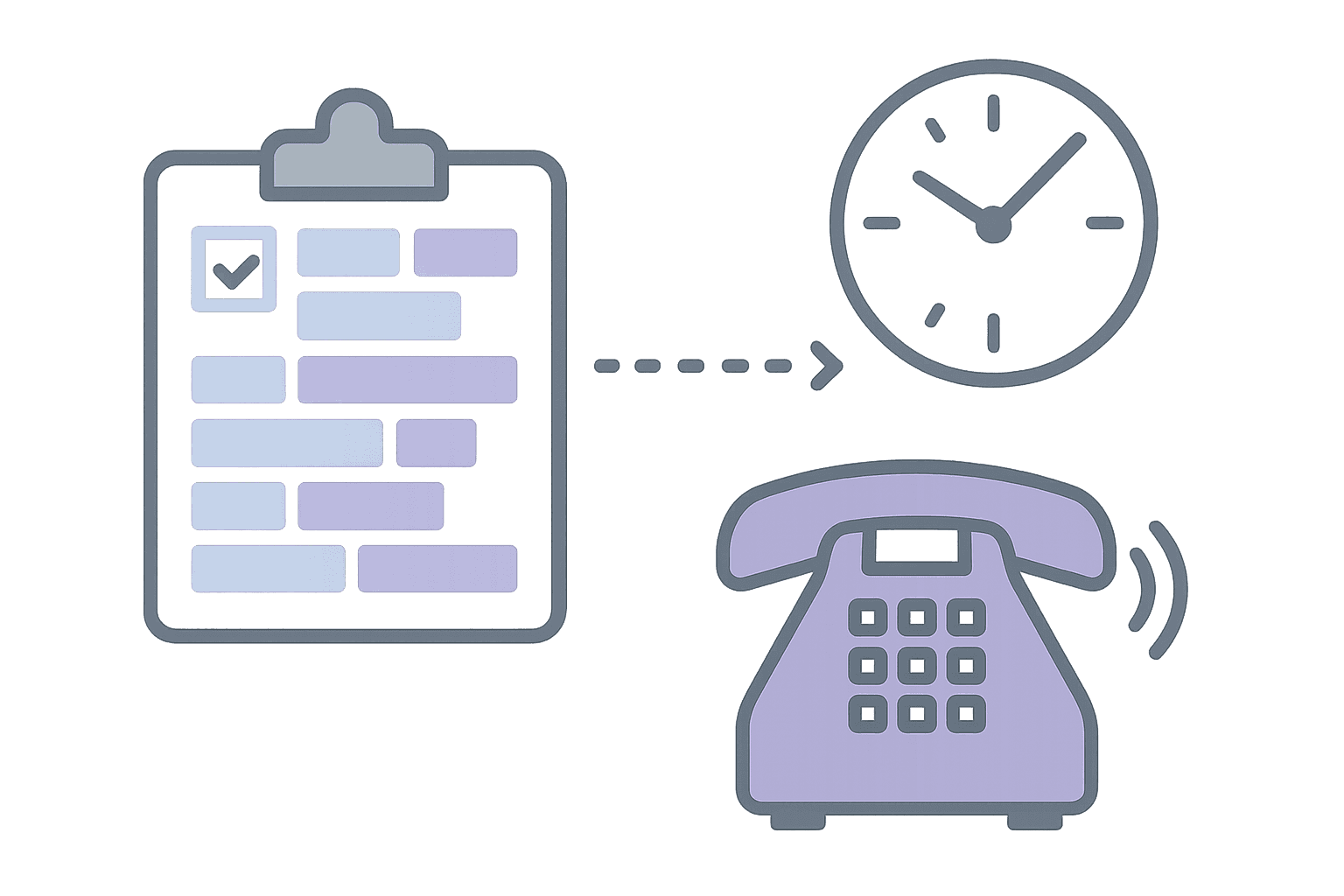
How to prevent schedule drift
- Map your current sources of truth: Where does the schedule live? Where does routing get its information? Are they the same place?
- Test propagation speed: Make a schedule change and see how long it takes routing to reflect it. If it is more than a few seconds, you have a drift window.
- Define ownership: Who is responsible for schedule accuracy? Who approves changes?
- Add a fallback for transitions: What happens if the scheduled person is unreachable during a shift change?
- Turn it into requirements: Use call routing software requirements as your checklist.
Want us to follow up?
If routing keeps breaking every time the schedule changes, the problem is governance, not rules. The fix path is to remove the sync gap between the schedule and routing.
The full framework for evaluating routing as a reliability system is in call routing solutions.