Practical tips for teams running high-volume lines—how to improve responsiveness, reduce wait times, and keep operations stable during spikes.

Menu
Practical tips for teams running high-volume lines—how to improve responsiveness, reduce wait times, and keep operations stable during spikes.
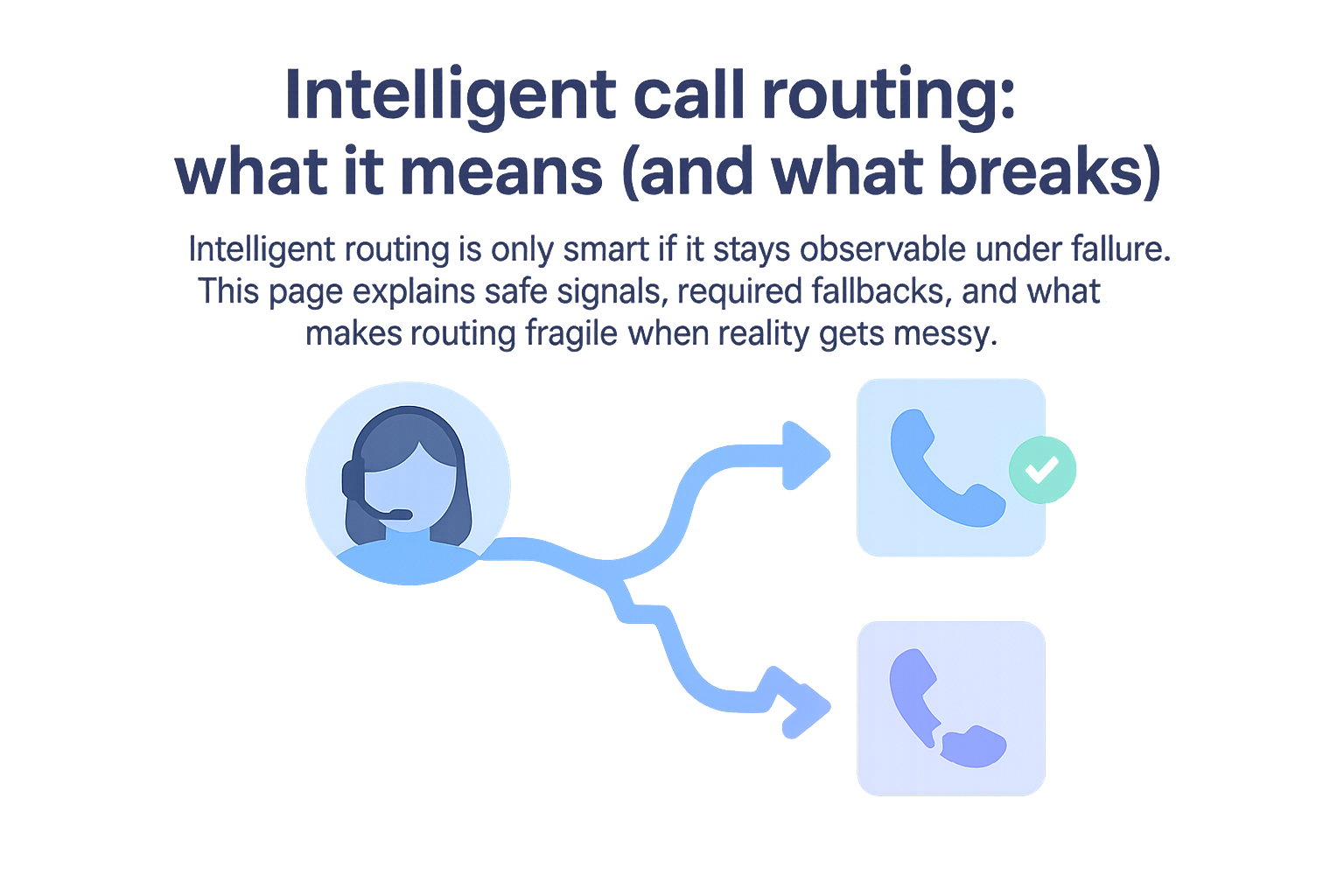
Intelligent routing is only smart if it stays observable under failure. This page explains safe signals, required fallbacks, and what makes routing fragile when reality gets messy.
Running on-call operations with separate scheduling and voice systems increases cost and operational risk. An all-in-one platform simplifies setup, reduces failures, and scales better for small teams.
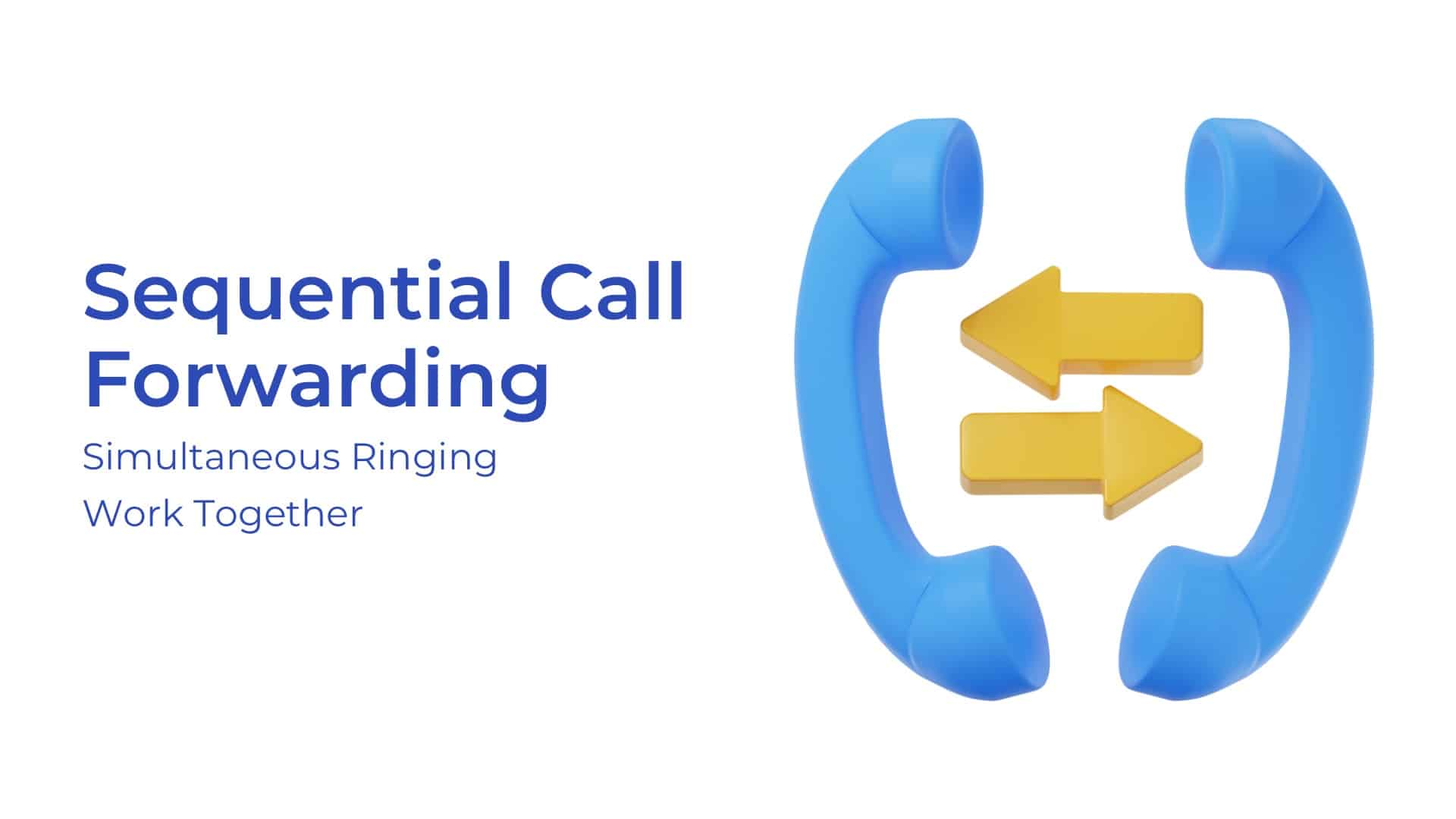
Forwarding is a destination rule. Routing is a workflow with fallbacks and visibility. This page helps you decide when forwarding is enough, and when it becomes the reason you miss calls.

Call routing is the workflow logic that decides who gets an inbound call and what happens when they cannot answer. Here is a simple explanation with a real-world example you can apply.
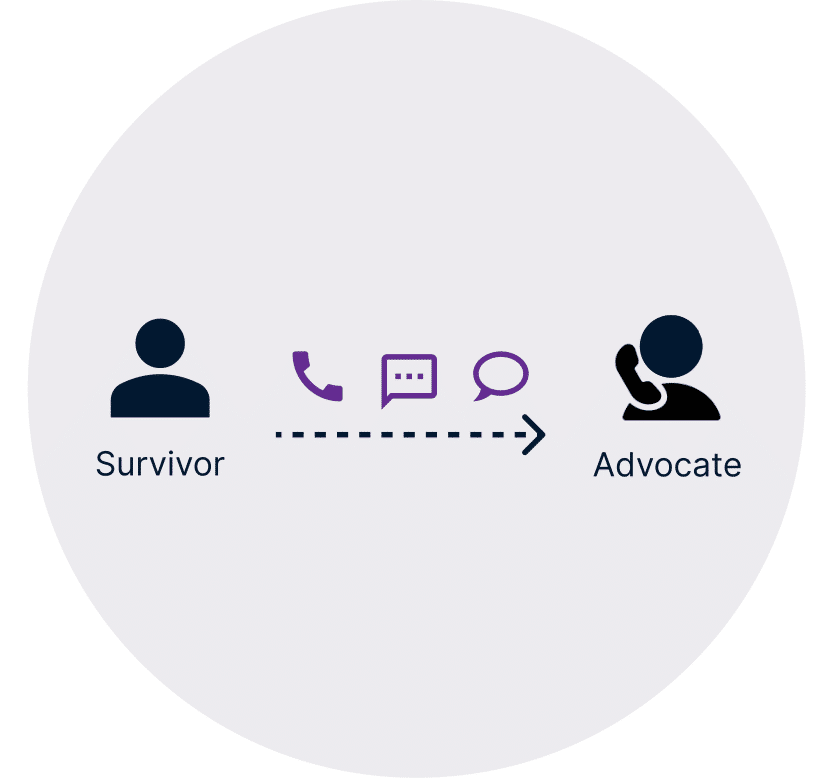
If your calls cannot be missed, routing has to behave correctly when people are busy, unreachable, or schedules change. This guide shows what to require from a call routing solution so you can prove what happened and fix failures fast.
Discover the essentials of a call routing system for businesses and nonprofits. Learn how it can improve communication and efficiency.

A practical guide to choosing an answering service by industry, with key evaluation criteria, pricing considerations, and recommended provider types.

Enhance communication and stay available 24/7 with an after-hours answering service. Improve response times and ensure no important call goes unanswered.

Find the best call forwarding services for 2025. Compare top options for businesses and crisis centers, plus key features to ensure reliable call routing.

A practical guide to set up a hotline, covering planning, staffing, technology, and training for organizations ready to launch a crisis call center.

A national cellular outage could happen. Our helpline software allows you to monitor and resolve these issues automatically!

Providing support over chat is pretty different from providing support with voice, and technology such as read receipts can save a lot time.

In this article, one former crisis coordinator explains what they've learned from using number of rings to forward hotline calls to backups.

Helpline Software helps agencies minimize hold times for survivors by utilizing technology to patch survivor calls to advocates quickly.
Don't let language be a barrier to supporting someone in crisis. Choose the leading bilingual answering service for crisis lines.

HelplineSoftware.com provides the leading 24 Hour Answering Service for crisis lines like those operated by YWCA Greater LA and more.

Mental health crisis lines have started using crisis line answering services to minimize missed calls and reduce hold times and burnout.

Best practices to help hotline leaders solve common hotline system issues with phone, scheduling, text & chat, or burnout.

Your 3rd party hotline operator might be deterring callers and causing a lot of harm. Learn to identify and permanently fix these problems.

Having your state, local, or national hotline going down temporarily can be very scary. Here's what you need to know.